

By Shamim Sarker | Published: June 7, 2026
✔ Evidence-Based
🏥 Men’s Health
⏱️ 14 min read
BPH, or benign prostatic hyperplasia, is a non-cancerous enlargement of the prostate gland that commonly affects men over 50. It compresses the urethra and causes urinary symptoms like frequent nighttime urination, weak urine stream, and difficulty starting to urinate. It is not cancer, but it does need medical attention.
You wake up at 2 a.m. — again. Then 4 a.m. Then you’re standing at the toilet, waiting for a trickle that never quite satisfies. If this sounds familiar, you’re not alone. Millions of men deal with exactly this every night, and most of them don’t yet know they’re experiencing early signs of BPH (benign prostatic hyperplasia) — one of the most common health conditions affecting men over 50.
Here’s the good news: BPH is not cancer. It won’t spread. And with the right approach, you can manage it effectively — sometimes without surgery, and sometimes with simple lifestyle and natural support changes that make a real difference.
This guide covers everything you need to know: what BPH is, what it feels like, why it happens, how it’s diagnosed, and every treatment option available to you — from prescription medications to natural supplement support.
What Is BPH? Understanding the Basics
BPH, or benign prostatic hyperplasia, is a non-cancerous enlargement of the prostate gland that naturally occurs in most men as they age. As the prostate grows, it presses on the urethra — the tube that carries urine out of the body — partially blocking urine flow and causing a range of urinary symptoms. According to the NIH National Institute of Diabetes and Digestive and Kidney Diseases, BPH is one of the most common conditions in aging men worldwide.
The word “benign” is important here — it means non-cancerous. BPH does not increase your risk of prostate cancer and will not spread to other parts of your body. But untreated BPH can affect bladder function, lead to UTIs, and in serious cases cause kidney damage.
How Does the Prostate Work?
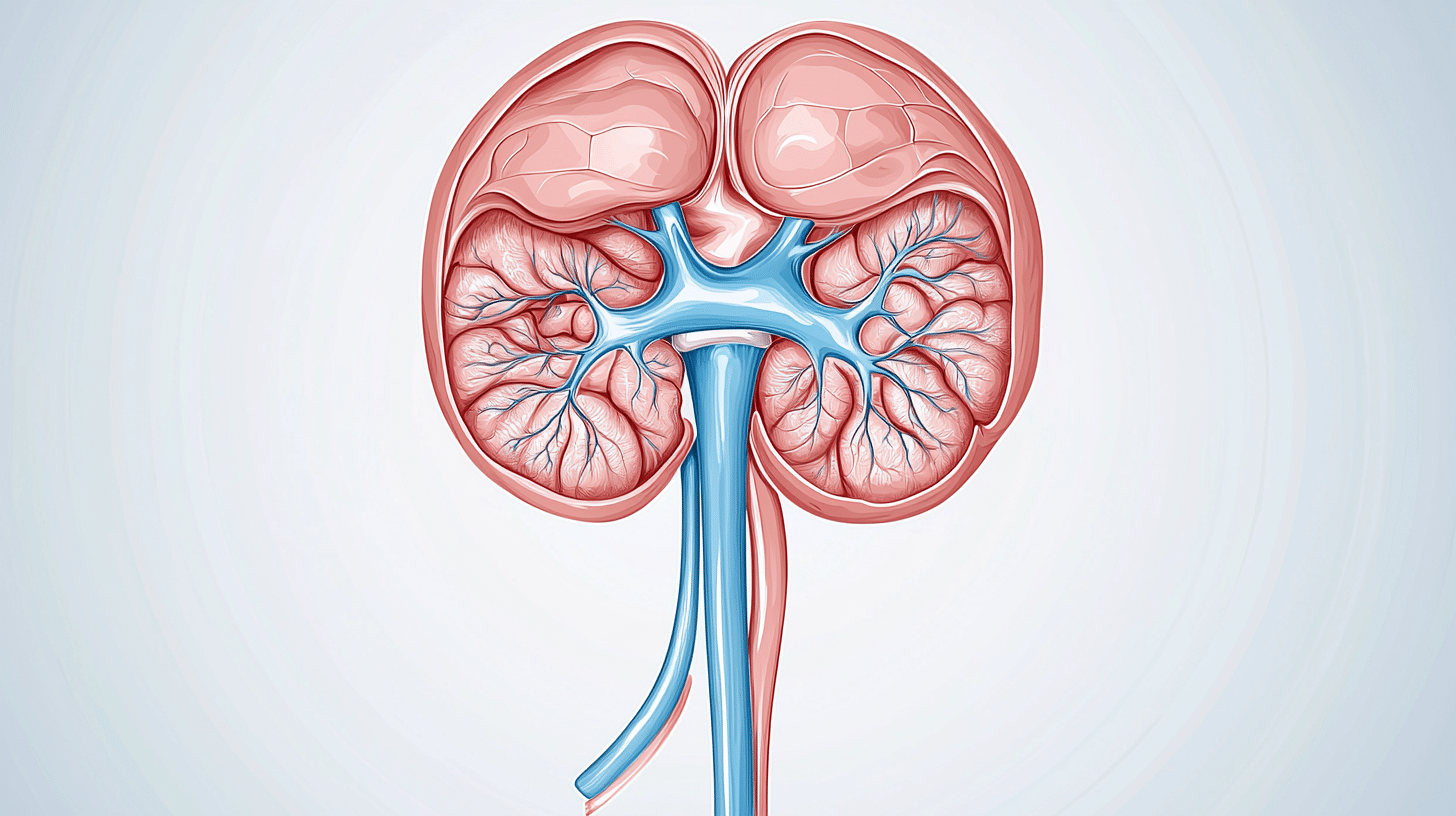
The prostate is a walnut-sized gland sitting just below the bladder that wraps around the urethra. Its main job is producing fluid that nourishes and protects sperm during ejaculation. Because of its position surrounding the urethra, any significant growth directly impacts urinary function.
How Big Does the Prostate Get With BPH?
A healthy prostate typically weighs about 20 grams — roughly the size of a walnut. In men with BPH, it can grow to the size of an apricot (40g) or even a lemon (80g+) in severe cases. The key factor is not size itself but how much the enlargement compresses the urethra.
What Are Dietary Supplements? Beginner’s Guide for Men
New to supplements? Start with this evidence-based beginner’s guide before exploring prostate support options.
What Are the Symptoms of an Enlarged Prostate?
BPH symptoms range from mildly inconvenient to severely disruptive, and they tend to worsen gradually over months or years. Most symptoms fall into two categories: obstructive (caused by the blocked urethra) and irritative (caused by the bladder working harder to compensate).
Early Warning Signs of BPH
- Weak or slow urine stream — less force than you used to have
- Difficulty starting urination — having to push or strain to begin
- Dribbling at the end — urine continues to drip after you think you’re done
- Feeling like your bladder isn’t fully empty — even right after urinating
- Frequent urination — especially needing to go more than 8 times per day
- Urgency — a sudden, strong urge to urinate that’s hard to delay
When Symptoms Become Serious
- Nocturia — waking up two or more times per night to urinate
- Urinary incontinence — leaking urine before you can reach the bathroom
- Blood in the urine — less common, but requires immediate medical evaluation
- Painful urination — a burning sensation while urinating
- Complete inability to urinate — a medical emergency requiring urgent care
According to Cleveland Clinic, by age 60 approximately 50% of men show signs of BPH, and by age 85 that number rises to around 90%.
What Causes BPH? Understanding the Root Factors
The Role of Age and Hormones
Hormonal changes associated with aging play a central role. As men get older, testosterone levels gradually decline while estrogen levels remain relatively stable — creating a hormonal shift that may encourage prostate cell growth. A hormone called dihydrotestosterone (DHT) — derived from testosterone — is thought to be a key driver, accumulating in the prostate and stimulating cell proliferation.
Genetics and Other Risk Factors
| Risk Factor | Details |
|---|---|
| Age | Risk increases sharply after 50; 90% of men over 85 are affected |
| Family history | First-degree male relatives with BPH = higher personal risk |
| Ethnicity | More prevalent in Black and White men; less common in Asian men |
| Obesity / Metabolic syndrome | Excess body fat increases inflammatory compounds that promote prostate growth |
| Diabetes | Insulin resistance is linked to increased BPH risk |
| Physical inactivity | Sedentary lifestyle associated with worsening urinary symptom scores |
How Is BPH Diagnosed?
Your doctor needs to rule out other conditions — including prostate cancer, UTIs, and bladder disorders — that can produce very similar symptoms. Never self-diagnose.
Tests Your Doctor May Order
- Digital Rectal Exam (DRE) — Physically examines the prostate to check for size, texture, and irregularities.
- PSA Blood Test — Elevated PSA can indicate BPH, prostatitis, or prostate cancer.
- Urinalysis — Rules out infection as the cause of symptoms.
- IPSS Questionnaire — A validated 7-question survey scoring symptom severity.
- Post-void residual (PVR) test — Measures urine remaining in the bladder after urinating.
- Uroflowmetry — Measures the speed and volume of urine flow.
BPH Severity Staging: Your IPSS Score
Medical Treatment Options for BPH
Treatment is not one-size-fits-all. Your doctor will recommend options based on your symptom severity, prostate size, age, overall health, and personal preferences.
Watchful Waiting (Active Surveillance)
If your symptoms are mild and not significantly affecting your quality of life, your doctor may recommend active surveillance — regular monitoring without immediate treatment.
Medications (Alpha-Blockers and 5-ARIs)
- Alpha-Blockers (tamsulosin/Flomax, alfuzosin) — Relax muscles in the prostate and bladder neck, improving urine flow within days to weeks. Side effects include dizziness and retrograde ejaculation.
- 5-Alpha Reductase Inhibitors (finasteride, dutasteride) — Block DHT production, shrinking the prostate over 6–12 months.
- Combination therapy — Both drug types together for greater symptom control.
- PDE5 inhibitors (tadalafil/Cialis) — FDA-approved for both BPH and erectile dysfunction.
Minimally Invasive Procedures
| Procedure | How It Works | Recovery |
|---|---|---|
| UroLift | Tiny implants hold prostate tissue open | Same day, fast recovery |
| Rezūm Water Vapor | Steam destroys excess prostate tissue | Days to weeks |
| Prostatic Artery Embolization | Cuts blood supply to shrink prostate | Outpatient, several weeks |
| TUMT | Microwave heat to shrink prostate tissue | Outpatient |
Surgery for BPH
- TURP — Gold standard. Surgeon removes inner portion of prostate through the urethra.
- Laser therapies (GreenLight PVP, HoLEP) — Less bleeding and faster recovery than traditional TURP.
- Aquablation — Robotic water jets precisely remove prostate tissue with preservation of sexual function.
TitanFlow Review 2026: Ingredients, Side Effects, and Results
Our in-depth, evidence-based review of TitanFlow — a popular prostate support supplement for men.
Does BPH Affect Sexual Function?
BPH itself does not directly cause erectile dysfunction (ED). However, certain medications used to treat BPH can affect sexual function in some men:
- Alpha-blockers — Can cause retrograde ejaculation in some men (harmless but surprising).
- 5-ARIs — Associated with reduced libido and ejaculatory changes in a minority of users; usually reversible after stopping.
- PDE5 inhibitors (tadalafil) — Approved for both BPH and ED; may benefit men dealing with both conditions.
Natural and Lifestyle Support for BPH
Dietary Changes That May Help
- Reduce caffeine and alcohol — both irritate the bladder and increase urinary urgency
- Stay well-hydrated during the day but reduce fluids 2–3 hours before bedtime
- Eat more vegetables, especially tomatoes (lycopene), broccoli, and leafy greens
- Include zinc-rich foods — pumpkin seeds, shellfish, legumes
- Limit red meat and processed foods, which may promote prostate inflammation
- Practice “double voiding” — urinate, wait 2 minutes, then try again
Prostate Health Supplements Worth Considering
| Supplement | Key Benefit | Evidence Level |
|---|---|---|
| Saw Palmetto | May support urinary flow, reduce urgency | Mixed — some positive trials |
| Beta-Sitosterol | May improve urine flow and reduce residual volume | Moderate — positive controlled trials |
| Pygeum africanum | May reduce nocturia and improve flow | Moderate — multiple trials |
| Rye Pollen Extract | May reduce urgency and nighttime trips | Moderate — positive results |
| Pumpkin Seed Oil | May support prostate cell health | Preliminary — early studies |
Prostavive Reviews & Complaints: Does It Really Work for Enlarged Prostate?
We analyzed Prostavive’s ingredients, clinical evidence, and real user experiences. Here’s our honest verdict.
How to Sleep Better With BPH (Managing Nocturia)
Nocturia — waking up at night to urinate — is one of the most disruptive BPH symptoms. These practical strategies can significantly reduce nighttime bathroom trips:
- Restrict fluids 2–3 hours before bed — drink the bulk of fluids in the morning and early afternoon
- Cut caffeine after 2 PM — coffee, tea, and sodas are bladder irritants
- Avoid alcohol in the evening — it’s a diuretic and disrupts sleep architecture
- Practice double voiding at bedtime — urinate, wait 2 minutes, try again
- Elevate your legs in the afternoon — reduces fluid redistribution at night
- Ask your doctor about timed-release medications — desmopressin or modified-release alpha-blockers may help
BPH vs. Prostate Cancer — What’s the Difference?
BPH is not cancer, does not become cancer, and does not increase your risk of developing prostate cancer. However, since they can cause similar urinary symptoms, proper medical evaluation is essential.
BPH (Enlarged Prostate)
- Non-cancerous (benign)
- Does not spread
- Does NOT raise cancer risk
- Smooth, uniform enlargement on DRE
- PSA may be mildly elevated
- Treatment based on symptom severity
- Affects ~90% of men over 85
Prostate Cancer
- Malignant (cancerous)
- Can spread if untreated
- Requires prompt evaluation
- May feel hard or irregular on DRE
- PSA often significantly elevated
- Immediate evaluation needed
- Often no early urinary symptoms
BPH vs. Prostatitis — Key Differences
| Feature | BPH | Prostatitis |
|---|---|---|
| Cause | Age-related cell overgrowth | Bacterial infection or inflammation |
| Age affected | Men 50+ | Men of any age |
| Onset | Gradual, over months/years | Sudden (acute) or chronic |
| Pain | Rarely causes pain | Often causes pelvic/perineal pain |
| Fever | Not present | Common in acute bacterial prostatitis |
| Treatment | Medications, procedures, surgery | Antibiotics, anti-inflammatories |
When Should You See a Doctor?
If you’re experiencing any urinary changes, bring them up at your next regular checkup. Certain symptoms require prompt medical attention — don’t wait:
Men over 50 should discuss prostate health proactively with their doctor, even without symptoms. See the official guidance at Urology Care Foundation →
Frequently Asked Questions About BPH
Final Thoughts
BPH is one of the most common health conditions aging men face — and one of the most manageable. Understanding what it is, recognizing the symptoms early, and taking action puts you firmly in control.
- BPH is a non-cancerous prostate enlargement that affects most men eventually
- Symptoms center on urinary changes — frequency, urgency, weak stream, nocturia
- You have real options: watchful waiting, medications, minimally invasive procedures, and surgery
- Natural approaches — diet, exercise, and select evidence-backed supplements — can provide meaningful support alongside medical care
- BPH is not prostate cancer and does not cause it — but proper evaluation is essential
- Sleep disruption from nocturia can be significantly improved with practical lifestyle adjustments
Our recommendation: If you’re experiencing urinary symptoms, start with a conversation with your doctor. Don’t wait until symptoms significantly impact your quality of life. Early evaluation leads to easier, more conservative management.
Find the Right Prostate Supplement for Your Needs
We’ve independently reviewed the top prostate health supplements available in 2026 — analyzing ingredients, clinical evidence, and real user results so you don’t have to guess.
Endopeak Reviews: Is This Natural Supplement the Boost You Need?
Exploring natural supplements for men’s health? Read our evidence-based Endopeak review before you decide.
Shamim Sarker is the Founder and Lead Health Reviewer at ShamimGuide.com — an independent platform dedicated to evidence-based supplement and health product reviews. With over 8 years of personal research experience in natural health and wellness, he brings a rigorous, science-first approach to every review published on this site.
His areas of focus include men’s health, weight loss, vitamins & supplements, oral health, and skin care. Every product featured on ShamimGuide is evaluated using a strict 4-step research methodology — ingredient analysis, clinical evidence review, user feedback evaluation, and an unbiased final verdict — so readers can make confident, informed decisions without the confusion.
Disclaimer: Content on ShamimGuide is for informational purposes only and does not constitute medical advice. Some articles contain affiliate links — commissions never influence editorial ratings or recommendations.