
Close Menu
    Facebook X (Twitter) Instagram YouTube
    shamimguide
    • Home
    • Wellness
      • Men’s Health
      • Mental Health
      • Women’s Health
      • Sleep and Dreams
      • Diets & Weight Loss
    • Nutrition
      • Nutrition Basics
      • Vitamins & Supplements
      • Eat Well
      • Diabetes Nutrition
    • Fitness
      • Wearables & apps
      • Bikes
      • Treadmills
      • Sportswear & accessories
      • Other fitness equipment
    • More
      • Latest health & Fitness news
      • Oral Health & Dental
      • Healthy Aging
      • Hearing
      • Sexual Health
      • Skin Care
      • Blogs
    • About Us
    shamimguide
    Home»Men’s Health»Are Natural Supplements FDA Approved? What Men Must Know
    Men’s Health

    Are Natural Supplements FDA Approved? What Men Must Know

    shamim sarker By shamim sarkerJune 5, 2026Updated:June 6, 2026
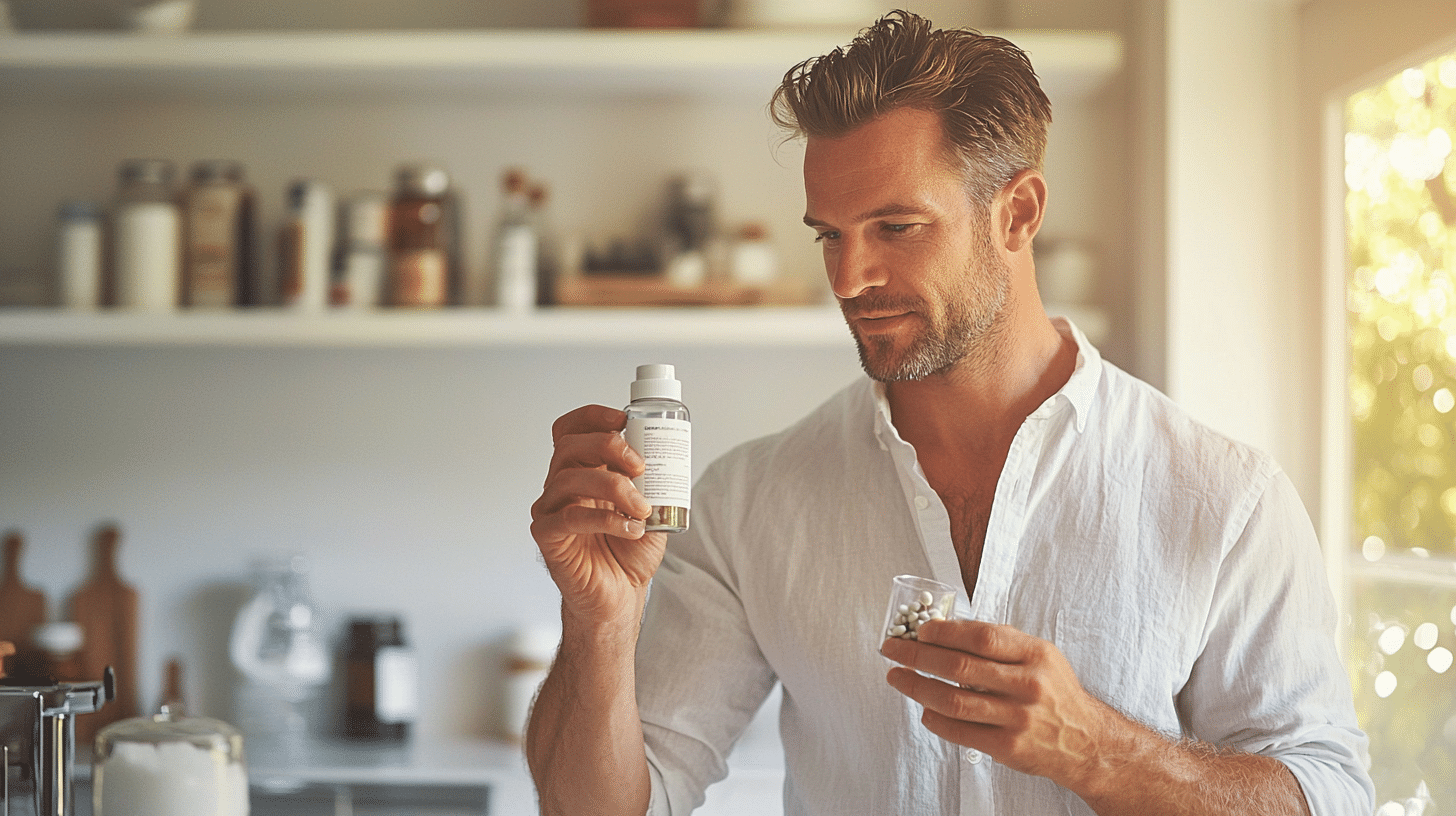
    A man in his late 30s carefully reading a natural supplement bottle label in a bright modern kitchen — understanding FDA supplement regulations
    Understanding supplement labels is essential — natural supplements are not FDA approved before reaching store shelves. | ShamimGuide.com

    Shamim Sarker
    By Shamim Sarker  |  Last reviewed: June 2025
    ✔ Evidence-Based
    🔬 FDA Regulation
    🔥 14 min read

    ⚠ Medical Disclaimer: This article is for educational and informational purposes only. It is not intended as medical advice, diagnosis, or treatment. Always consult your physician or a registered healthcare provider before starting any supplement — especially if you have pre-existing health conditions, take prescription medications, are pregnant, or nursing. Individual results vary.

    💡 The Core Finding of This Guide

    No — natural supplements are not FDA approved before they reach store shelves. Under DSHEA 1994, manufacturers are responsible for safety — not the FDA. The agency acts after problems emerge, not before products are sold.

    This single regulatory gap affects every man buying protein powders, testosterone boosters, creatine, or daily vitamins. Understanding exactly how this system works — and how to protect yourself within it — is what this guide is for.

    400+
    FDA warning letters to supplement companies, 2007–2023
    74%
    U.S. adults who take dietary supplements (CRN 2023)
    1,000+
    Products in FDA’s Tainted Supplements Database
    <25%
    Adults who correctly know supplements aren’t FDA-approved

    ✔ Key Takeaways
    • Natural supplements are not FDA approved before sale — under DSHEA 1994, manufacturers are responsible for safety, not the FDA.
    • Between 2007 and 2023, the FDA issued more than 400 warning letters and recalled dozens of supplement products for contamination or mislabeling.
    • A 2023 CRN survey found 74% of American adults take dietary supplements — protein, creatine, and testosterone-support products rank highest among men aged 25–55.
    • The FDA’s Tainted Products Database lists over 1,000 products — most marketed to men for weight loss, muscle building, or sexual performance — containing undisclosed pharmaceutical ingredients.
    • Look for USP Verified, NSF Certified for Sport, or Informed Sport certification: these signal independent quality testing the FDA does not require.

    No — natural supplements are not FDA approved before they are sold to you. Unlike prescription drugs, dietary supplements go through zero pre-market approval. Manufacturers can put a product on store shelves without ever proving it is safe or effective to any government agency.

    That surprises most people. And for men who rely on protein powders, testosterone boosters, creatine, or daily vitamins, it is genuinely important to understand.

    Everything here is based on FDA official guidance, peer-reviewed research, and publicly available regulatory records. No guesswork — just a clear picture of how the system actually works.

    Table of Contents

    Toggle
    • What Are Natural Supplements — and How Does the FDA Classify Them?
      • What counts as a dietary supplement under U.S. law?
      • How is this different from prescription drugs?
      • Where does the word “natural” fit in?
    • How the FDA Actually Regulates Dietary Supplements
      • What the FDA does before a supplement is sold
      • 1. New Dietary Ingredient (NDI) Notifications
      • 2. Current Good Manufacturing Practices (cGMP)
      • 3. Labeling Rules
      • What the FDA does after a supplement is sold
      • Why this system creates real risk for men
    • The Numbers Behind Supplement Safety in the U.S.
      • How large is the supplement industry?
      • How many Americans take supplements?
      • What does independent testing find?
      • What does the FDA’s Tainted Products Database show?
    • What This Actually Means for Men Shopping for Supplements
      • Third-party certification is the closest thing to independent verification
      • The category risk hierarchy for men
      • Should men tell their doctors what supplements they take?
    • 3 Common Myths About FDA Approval and Supplements That Most Men Believe
    • Frequently Asked Questions: FDA Approval and Natural Supplements
    • The Bottom Line: What Men Need to Remember About Supplements and the FDA
    • References

    What Are Natural Supplements — and How Does the FDA Classify Them?

    A dietary supplement is any product taken by mouth that contains a “dietary ingredient” intended to add nutritional value to the diet. According to the FDA, dietary ingredients include vitamins, minerals, herbs, botanicals, amino acids, enzymes, and concentrates derived from these sources.

    That classification matters enormously, because it determines how much regulatory oversight the product receives. The short answer: not much, before it reaches you.

    What counts as a dietary supplement under U.S. law?

    The legal definition comes from the Dietary Supplement Health and Education Act (DSHEA) of 1994 — the foundational federal law that still governs supplements today. Under DSHEA, a dietary supplement:

    • Contains one or more dietary ingredients (vitamins, minerals, herbs, amino acids, or their concentrates)
    • Is intended to be taken orally — as a pill, capsule, tablet, powder, or liquid
    • Is labeled as a dietary supplement
    • Is not represented as a conventional food or as a sole item of a meal or diet

    How is this different from prescription drugs?

    The contrast is stark. Before a prescription drug reaches a pharmacy shelf, the manufacturer must submit clinical trial data to the FDA, prove the drug is both safe and effective, and receive formal approval — a process that typically takes 10–15 years and costs over $1 billion, according to data from the Tufts Center for the Study of Drug Development.

    Dietary supplements require none of that. A supplement company does not need FDA approval, does not need to submit safety data before launch, and does not need to prove the product works.

    Where does the word “natural” fit in?

    ⚠ Important: The FDA has no official regulatory definition for the word “natural” on supplement labels. A product marketed as “100% natural” or “all-natural” carries no legally enforced standard. The term is largely a marketing descriptor, not a safety or quality guarantee.

    How the FDA Actually Regulates Dietary Supplements

    Here is the clearest way to think about it: the FDA acts more like a watchdog after the fact than a gatekeeper before products reach you. With prescription drugs, the FDA stands at the door — nothing gets through without approval. With dietary supplements, the door is essentially open.

    What the FDA does before a supplement is sold

    1. New Dietary Ingredient (NDI) Notifications

    If a supplement contains an ingredient not sold in the U.S. before October 15, 1994, the manufacturer must submit a pre-market safety notification to the FDA at least 75 days before going to market. The FDA reviews it — but does not formally approve or reject it. The manufacturer can proceed regardless of the FDA’s response unless the agency takes active legal steps to block it.

    2. Current Good Manufacturing Practices (cGMP)

    Since 2007, the FDA has required supplement manufacturers to follow cGMP regulations — standards covering how products are produced, tested, labeled, and stored. However, compliance is self-reported and facility inspections are infrequent. A 2023 report from the U.S. Government Accountability Office (GAO) found that the FDA inspects most domestic supplement facilities only once every several years.

    3. Labeling Rules

    Supplement labels must include a Supplement Facts panel, a complete ingredient list, and the standard disclaimer: “This statement has not been evaluated by the Food and Drug Administration. This product is not intended to diagnose, treat, cure, or prevent any disease.”

    What the FDA does after a supplement is sold

    Once a supplement is on the market, the FDA can:

    • Investigate adverse event reports via MedWatch (mandatory serious-event reporting since 2007)
    • Issue warning letters — more than 400 issued to supplement companies between 2007 and 2023
    • Initiate voluntary or mandatory recalls for dangerous products
    • Pursue legal action through the Department of Justice for serious fraud or safety violations
    • Maintain the Tainted Products Database — a public list of supplements found to contain undisclosed pharmaceutical ingredients

    Why this system creates real risk for men

    📋 Research Finding

    A 2021 study published in JAMA Internal Medicine analyzed FDA enforcement data and found that products marketed for sexual enhancement and weight loss accounted for over 75% of all supplements found to contain hidden pharmaceutical ingredients. Men are disproportionately targeted by exactly these categories.

    The regulatory gap in plain terms: A man can buy a “natural testosterone booster” online today, and unless a third party has tested it or the FDA has already flagged it, there is no government agency that has verified what is actually inside. This is not a flaw in enforcement — it is how DSHEA was designed.

    The Numbers Behind Supplement Safety in the U.S.

    How large is the supplement industry?

    The U.S. dietary supplement market was valued at approximately $56.7 billion in 2023, according to the Nutrition Business Journal. The industry sells an estimated 90,000+ individual supplement products to American consumers at any given time — far more than the FDA has resources to proactively review.

    How many Americans take supplements?

    A 2023 survey by the Council for Responsible Nutrition (CRN) found that 74% of U.S. adults reported taking dietary supplements. Among men aged 25–54, usage by category:

    Supplement Category % of Male Users
    Vitamins & minerals 67%
    Protein / amino acids 40%
    Specialty supplements (testosterone, sexual health) 22%
    Weight management supplements 18%
    Herbal / botanical products 16%

    Despite widespread use, a 2022 survey found that fewer than 25% of supplement users could correctly identify that dietary supplements do not require FDA pre-market approval.

    What does independent testing find?

    ConsumerLab.com reported in its 2023 annual review that approximately 1 in 4 supplements tested failed to meet label claims. A 2023 analysis in JAMA Network Open examined 57 muscle-building supplements and found that 12 products (21%) contained at least one unapproved pharmaceutical ingredient not disclosed on the label.

    What does the FDA’s Tainted Products Database show?

    Category Share of Flagged Products
    Sexual enhancement products ~45%
    Weight loss supplements ~30%
    Muscle-building / bodybuilding supplements ~20%
    Other categories ~5%
    📋 Research Finding

    A 2015 study in the New England Journal of Medicine estimated that dietary supplements are responsible for approximately 23,000 emergency department visits per year in the United States — 28% involving cardiovascular symptoms from weight-loss or energy products, and 22% involving young men aged 20–34 taking bodybuilding or performance supplements.

    What This Actually Means for Men Shopping for Supplements

    Third-party certification is the closest thing to independent verification

    Since the FDA does not verify supplements before they reach store shelves, third-party testing organizations fill that gap. The three most credible certifications for men to look for:

    Gold Standard

    USP Verified
    Best for: Everyday vitamins & minerals
    Verifies label accuracy, purity, dissolvability, and manufacturing standards. One of the most rigorous independent certifications globally.

    Sports-Safe

    NSF Certified for Sport
    Best for: Athletes, gym users, competitive men
    Confirms label accuracy + screens for 270+ banned substances. Required by many professional and Olympic sports organizations.

    Athlete-Safe

    Informed Sport
    Best for: Competitive athletes, drug-tested sports
    Batch-level testing for every production run against WADA prohibited substances. The highest standard for competitive athletes.

    ✔ What certification guarantees: None of these certifications guarantee a supplement will work for your specific goals. What they do guarantee: the product contains what it claims, at the amount stated, without undisclosed contaminants.

    The category risk hierarchy for men

    ⚠️
    Sexual Enhancement / Male Performance
    Undisclosed PDE-5 inhibitors (sildenafil analogues). Represents ~45% of all FDA-flagged supplements.

    Highest Risk

    🔥
    Weight Loss / Fat Burners
    Hidden stimulants, thyroid compounds, diuretics. ~30% of FDA-flagged database.

    High Risk

    💪
    Muscle Building / Pre-Workout
    Undisclosed stimulants, anabolic compounds. ~20% of FDA-flagged database.

    High Risk

    🧪
    Testosterone Support / Boosters
    Inconsistent ingredient dosing, proprietary blends obscuring amounts.

    Moderate Risk

    🥤
    Protein Powders
    Heavy metal contamination (lead, cadmium) in some brands. Choose NSF Certified for Sport.

    Lower Risk

    💊
    Single-Ingredient Vitamins & Minerals
    Label inaccuracy, dose variation. Safest category overall when third-party certified.

    Lowest Risk

    Should men tell their doctors what supplements they take?

    Yes — and research suggests most do not. A 2019 survey in the Journal of General Internal Medicine found that only 34% of supplement users proactively disclosed supplement use to their physician. Certain supplements — including high-dose fish oil, vitamin E, and garlic extract — increase bleeding risk and are typically paused before surgical procedures.

    ✔ Simple action step: List every supplement you take with your medications when you visit a healthcare provider. It is a simple step that closes one of the most common and preventable gaps in men’s health management.

    3 Common Myths About FDA Approval and Supplements That Most Men Believe

    ❌ Myth 1
    “If it’s sold in a major store like GNC, Walmart, or Amazon, the FDA has approved it”

    ✔ The Reality
    Retail availability has no connection to FDA approval status. A supplement being stocked at a national retailer means the retailer has made a business decision to carry it — nothing more. A 2020 investigation by the Clean Label Project found that a significant number of top-selling supplement products on Amazon — including protein powders and greens blends — contained detectable levels of heavy metals including lead, cadmium, and arsenic. None had been flagged by the FDA at the time. Third-party certification — not the store name on the receipt — is what matters.
    ❌ Myth 2
    “Natural ingredients can’t be dangerous — they’re not chemicals”

    ✔ The Reality
    Natural origin does not equal safety. Many of the most toxic substances known to exist are entirely natural. Pyrrolizidine alkaloids — found in some herbal supplements including certain comfrey and coltsfoot products — are natural, and they can cause serious liver damage with sustained use. A 2013 review in the World Journal of Gastroenterology identified herb-induced liver injury (HILI) as a growing clinical concern, with herbal and dietary supplements accounting for approximately 20% of drug-induced liver injury (DILI) cases in the United States. Dose, form, and concentration determine safety — not whether an ingredient came from a plant or a laboratory.
    ❌ Myth 3
    “FDA approved label means the supplement has been tested and proven to work”

    ✔ The Reality
    No supplement label carries FDA approval. The disclaimer on every bottle says exactly the opposite. “FDA-registered facility” means the manufacturer has registered its physical location with the FDA — an administrative requirement, not a quality endorsement. Registration does not involve any inspection of the products made there. “Produced under FDA cGMP guidelines” is a self-reported claim. Unless the facility has been independently certified by NSF International or the Natural Products Association, there is no independent verification that cGMP standards are actually being met. A supplement that genuinely had FDA approval would be classified as a drug — not a dietary supplement.

    Frequently Asked Questions: FDA Approval and Natural Supplements

    Are any dietary supplements FDA approved?
    No dietary supplement is FDA approved in the way prescription drugs are. A small number of products — including certain medical foods and infant formulas — go through stricter FDA review, but standard dietary supplements sold in retail stores do not. No supplement can legally claim FDA approval on its label.
    What does “FDA registered facility” mean on a supplement label?
    It means the manufacturer has registered its physical location with the FDA — an administrative requirement, not a quality endorsement. Registration does not involve any inspection of the products made there, the ingredients used, or actual manufacturing practices. It is paperwork, not proof of quality or safety.
    Can the FDA ban a supplement that is already being sold?
    Yes, but the process is slow and resource-intensive. The FDA must first gather evidence that a product poses a significant risk, then pursue legal or administrative action. This post-market enforcement model means unsafe products can remain on shelves for months or years before the FDA acts. Mandatory recall authority for supplements is limited compared to drugs.
    What is the safest type of supplement for men to take?
    Single-ingredient vitamins and minerals with third-party certification — such as USP Verified or NSF Certified for Sport — carry the lowest documented risk. Products in categories heavily marketed to men, including sexual enhancement, weight loss, and muscle-building supplements, are associated with the highest rates of contamination and undisclosed pharmaceutical ingredients according to FDA enforcement data.
    Do protein powders need FDA approval?
    No. Protein powders are classified as dietary supplements under DSHEA and require no pre-market FDA approval. Independent testing by ConsumerLab.com and the Clean Label Project has found that some protein powders contain detectable heavy metals including lead and cadmium. Choosing a protein powder with NSF Certified for Sport or Informed Sport certification reduces this risk meaningfully.
    What happens if I have a bad reaction to a supplement?
    Report it immediately through the FDA’s MedWatch program at fda.gov/safety/medwatch. You can also contact the supplement manufacturer directly — they are legally required to report serious adverse events to the FDA within 15 business days. If your reaction is severe, seek emergency medical care first.
    Is it legal for supplement companies to make health claims?
    Partially. Supplement companies are permitted to make structure/function claims — statements about how an ingredient may support a normal body function, such as “supports healthy testosterone levels” or “promotes immune function.” They cannot legally claim that a supplement diagnoses, treats, cures, or prevents any disease. That distinction separates a supplement claim from a drug claim under U.S. law.
    Should men avoid supplements entirely given the lack of FDA oversight?
    Not necessarily. Well-researched supplements — including creatine monohydrate, vitamin D3, magnesium glycinate, and omega-3 fatty acids — have strong safety records supported by decades of clinical research. The key is informed selection: choose products with third-party certification, verify ingredients against clinically studied doses, and cross-check unfamiliar brands against the FDA’s Tainted Products Database before purchasing.

    The Bottom Line: What Men Need to Remember About Supplements and the FDA

    Natural supplements are not FDA approved before they reach you. Under DSHEA 1994, manufacturers carry the burden of safety — not the government. The FDA acts after problems emerge, not before products are sold.

    That does not mean every supplement is dangerous. It means every man buying supplements needs to apply his own layer of due diligence.

    📍 Your 3 Most Practical Steps — After Consulting Your Doctor
    • Check the FDA’s Tainted Products Database before trying any new product in a high-risk category
    • Look for USP Verified or NSF Certified for Sport certification on the label
    • Tell your doctor what you are taking — especially if you take any prescription medication

    Well-researched supplements like creatine monohydrate, vitamin D3, and magnesium glycinate have strong safety records — but even these are best purchased from certified, third-party tested sources.

    References

    • U.S. Food and Drug Administration. “Background Information on Dietary Supplements.” fda.gov
    • U.S. Food and Drug Administration. “Tainted Products Marketed as Dietary Supplements.” fda.gov
    • Cohen PA, et al. “Presence of Banned Drugs in Dietary Supplements Following FDA Recalls.” JAMA Internal Medicine. 2021. JAMA
    • Geller AI, et al. “Emergency Department Visits for Adverse Events Related to Dietary Supplements.” N Engl J Med. 2015. NEJM
    • Council for Responsible Nutrition. “2023 CRN Consumer Survey on Dietary Supplements.” crnusa.org
    • U.S. Government Accountability Office. GAO-22-104517. 2023. gao.gov
    • ConsumerLab.com. “Product Review: Dietary Supplement Quality.” 2023. consumerlab.com

    📍 Quick Summary — What to Do Next
    • Never assume a supplement is safe because it is sold in a reputable store
    • Always look for USP, NSF Certified for Sport, or Informed Sport certification
    • Check the FDA Tainted Products Database before buying anything in a high-risk category
    • Tell your doctor every supplement you take, especially before surgery or if on medications
    • Stick to well-researched basics: vitamin D3, magnesium glycinate, omega-3s, creatine monohydrate

    🔗 Related Men’s Health & Supplement Articles on ShamimGuide
    Dietary Supplements Guide for Men
    Male Vitality Guide 2026
    Do Fat Burners Work?
    Mitolyn Review 2026
    Prostavive Review
    TitanFlow Review 2026
    EndoPeak Review
    BioVanish Review

    Final Reminder: This article is for educational purposes only. All statements regarding dietary supplements have not been evaluated by the FDA. Dietary supplements are not intended to diagnose, treat, cure, or prevent any disease. Always consult a qualified healthcare professional before making any changes to your health regimen.
    Shamim Sarker — Founder and Lead Health Reviewer at ShamimGuide
    shamim sarker

    Shamim Sarker is the Founder and Lead Health Reviewer at ShamimGuide.com — an independent platform dedicated to evidence-based supplement and health product reviews. With over 8 years of personal research experience in natural health and wellness, he brings a rigorous, science-first approach to every review published on this site.

    His areas of focus include men’s health, weight loss, vitamins & supplements, oral health, and skin care. Every product featured on ShamimGuide is evaluated using a strict 4-step research methodology — ingredient analysis, clinical evidence review, user feedback evaluation, and an unbiased final verdict — so readers can make confident, informed decisions without the confusion.

    Disclaimer: Content on ShamimGuide is for informational purposes only and does not constitute medical advice. Some articles contain affiliate links — commissions never influence editorial ratings or recommendations.

    Related Posts

    What Are Dietary Supplements? Beginner’s Guide for Men

    Read More

    Natural Male Vitality & Blood Flow: 2026 Ultimate Guide

    Read More
    Most popular posts
    Men’s Health
    Men’s Health

    Are Natural Supplements FDA Approved? What Men Must Know

    By shamim sarkerJune 5, 2026Updated:June 6, 2026

    By Shamim Sarker | Last reviewed: June 2025 ✔ Evidence-Based 🔬 FDA Regulation 🔥 14…

    Read More

    What Are Dietary Supplements? Beginner’s Guide for Men

    Why You Can’t Lose Weight After 40: The Mitochondrial Connection

    Natural Male Vitality & Blood Flow: 2026 Ultimate Guide

    Most read blogs

    Are Natural Supplements FDA Approved? What Men Must Know

    What Are Dietary Supplements? Beginner’s Guide for Men

    Why You Can’t Lose Weight After 40: The Mitochondrial Connection

    Natural Male Vitality & Blood Flow: 2026 Ultimate Guide

    Type above and press Enter to search. Press Esc to cancel.