
Men’s Health

Testosterone is the main male sex hormone. It drives male puberty, then helps adult men maintain sex drive, sperm production, muscle mass, bone density, and red blood cell production. It also influences mood and energy. Levels naturally dip with age, and too little or too much can cause problems, so a blood test beats guessing.
- Leydig cells in the testicles make about 5 to 10 mg of testosterone a day in adult men, and only about 2% of it circulates “free” in the blood.
- Total testosterone falls about 1% to 2% a year starting around age 30. By age 70 to 80, men typically have one-half to two-thirds of their level in their 20s.
- The American Urological Association defines low testosterone as below 300 ng/dL, and the Endocrine Society uses about 264 ng/dL. Both require symptoms plus two low morning tests.
- In the NIH-funded TTrials, a year of testosterone gel improved sexual function and slightly improved mood in older men with low levels. It didn’t improve energy or memory.
- In the TRAVERSE trial of 5,246 men, major cardiovascular events occurred in 7.0% of men on testosterone versus 7.3% on placebo, but testosterone can stop sperm production within months.
Ask most guys what testosterone does and you’ll hear “muscles and sex drive.” That’s part of it, but what does testosterone do for men beyond the gym and the bedroom? Quite a lot. According to Cleveland Clinic, testosterone starts shaping the male body as early as seven weeks into fetal development, drives the changes of puberty, and keeps working in adulthood to maintain muscle mass, bone strength, and sex drive.
It’s also widely misunderstood. Supplement ads sell the idea that more is always better, but the Endocrine Society, the leading professional group for hormone specialists, takes a more careful view. It points out that testosterone levels in healthy men can change a lot from day to day, which is why one test result rarely tells the whole story.
In this guide, we break down the nine main jobs testosterone does in a man’s body, how strong the evidence is for each one, what it doesn’t do, and how to tell if your levels might be off. You’ll also see what the largest clinical trials found about testosterone therapy, so you can have a better-informed conversation with your doctor.
What Is Testosterone?
Testosterone is the main male sex hormone, part of a group of hormones called androgens. In men, it’s made mostly in the testicles, with a small amount coming from the adrenal glands. It guides male development before birth and during puberty, then helps maintain muscle, bone, blood, sex drive, and sperm production throughout adult life. When a man’s body doesn’t make enough, doctors call it testosterone deficiency or hypogonadism.
Women make testosterone too, just in much smaller amounts. According to Cleveland Clinic, levels are naturally much higher in males, and most of the testosterone women make gets converted into estradiol, the main female sex hormone.
Where Is Testosterone Made?
Inside your testicles, specialized cells called Leydig cells build testosterone from cholesterol. The Merck Manual Professional Version notes that these cells produce about 5 to 10 mg of testosterone a day in adult men.
Once it enters your blood, most testosterone doesn’t float around freely. According to the Merck Manual, about 40% is tightly bound to a protein called sex hormone-binding globulin (SHBG), about 58% is loosely bound to albumin, and only about 2% is “free.” Your body can use the free and albumin-bound portions, which together are called bioavailable testosterone. This matters when you read a lab report, which we cover in how testosterone is tested.
How Does Your Body Control Testosterone?
Your brain runs testosterone production like a thermostat. The hypothalamus releases gonadotropin-releasing hormone (GnRH), which tells the pituitary gland to release luteinizing hormone (LH). LH travels to the testicles and signals them to make testosterone. As levels rise, testosterone signals the brain to ease off, which keeps levels in a normal range. Doctors call this loop the hypothalamic-pituitary-gonadal (HPG) axis.
Your brain and testicles work as a feedback loop. When testosterone runs high, the brain sends fewer signals. When it runs low, the brain sends more.
How Do Testosterone and Estrogen Work Together in Men?
Some of testosterone’s work in men actually happens through estrogen. An enzyme called aromatase converts a portion of your testosterone into estradiol. According to the Merck Manual, estradiol carries out most of testosterone’s effects on bones and the brain. So men need a healthy balance of both hormones, not just high testosterone.
Aromatase is most active in fat tissue, so men with obesity tend to have higher estradiol levels. That’s one reason body weight and testosterone are so closely linked, something we explore in how to support healthy testosterone naturally.
What Does Testosterone Do for Men? 9 Key Roles
Testosterone shapes male traits during puberty and then keeps several body systems running throughout adulthood. Its nine main jobs are:
- Driving puberty and male development
- Building and maintaining muscle mass
- Keeping bones dense and strong
- Signaling your body to make red blood cells
- Influencing where your body stores fat
- Growing facial and body hair, deepening your voice, and fueling skin oil
- Supporting sex drive and erections
- Making sperm production possible
- Shaping mood, energy, and motivation
We cover the first six below. Sex drive, fertility, and brain effects get their own sections, since the evidence there is more nuanced.
Testosterone, along with the estradiol and DHT your body makes from it, acts on tissues throughout the body.
1. How Does Testosterone Drive Puberty and Male Development?
Testosterone’s work starts before you’re born. According to Cleveland Clinic, it helps form the prostate, penis, and scrotum in the womb. During puberty, it drives growth spurts and muscle gain, body and pubic hair, a deeper voice, growth of the penis and testicles, and a rising sex drive.
Strong Evidence This role is well established in endocrinology and confirmed by what happens when boys don’t make enough testosterone.
2. Does Testosterone Build Muscle Mass and Strength?
Testosterone is anabolic, meaning it helps your body build tissue. The Merck Manual lists stimulating protein building, which increases muscle mass and bone density, among its core effects.
Strong for muscle mass. Moderate for strength and physical performance.
3. How Does Testosterone Affect Bone Density?
Testosterone helps keep your skeleton strong, partly by being converted into estradiol inside bone. In the TTrials Bone Trial, a year of testosterone treatment significantly increased bone density and estimated bone strength in older men with low levels, with bigger gains in the spine than the hip.
Strong for bone density. Preliminary for fracture prevention, which hasn’t been shown.
4. How Does Testosterone Affect Red Blood Cell Production?
Testosterone signals your kidneys to release erythropoietin, a hormone that tells your bone marrow to make more red blood cells, according to the Merck Manual. That’s one reason low testosterone can be linked to mild anemia.
The effect is measurable. In the TTrials Anemia Trial, 54% of men with unexplained anemia had a meaningful rise in hemoglobin after a year of testosterone, compared with 15% on placebo. The flip side is that too much testosterone can push red blood cell counts too high. That’s one reason men on testosterone therapy need regular blood tests, as Mayo Clinic urologists advise.
Strong Evidence Confirmed in randomized trials and well understood biologically.
5. How Does Testosterone Affect Fat Distribution and Metabolism?
Testosterone and body fat affect each other in both directions. A 2016 randomized trial in BMC Medicine notes that obesity is the single factor most strongly tied to low testosterone in men, with obese men averaging about 30% lower total testosterone than lean men. Weight loss raises testosterone, and testosterone treatment reduces body fat.
Moderate Evidence The link is consistent, but cause and effect run both ways.
6. What Does Testosterone Do for Hair, Skin, and Voice?
Testosterone is behind your beard, chest hair, and deeper voice. It also drives the skin’s oil (sebum) production, which is why acne often flares during puberty. The Merck Manual explains that about 4% to 8% of testosterone is converted into a stronger hormone, dihydrotestosterone (DHT), which drives prostate growth and male-pattern hair loss.
So the same hormone family that thickens your beard can thin the hair on your scalp if you’re genetically prone to it. Low testosterone, on the other hand, can lead to loss of body hair over time.
Strong Evidence These effects are well documented in human physiology.
Testosterone, Sex Drive, and Fertility
Testosterone fuels your sex drive and makes sperm production possible, but it’s only one piece of erections and fertility. Normal levels support both. Taking extra testosterone can actually shut down sperm production, which surprises a lot of men.
Does Testosterone Affect Libido and Erections?
Sex drive is where testosterone’s effect is clearest. The Merck Manual lists increased libido among testosterone’s effects on the brain, and a Mayo Clinic urologist notes that a lack of testosterone affects both sex drive and erectile function.
Erections depend mainly on healthy blood flow and nerves, so testosterone alone often isn’t the fix. Experts interviewed by Men’s Health point out that testosterone doesn’t cure erectile dysfunction. Because ED can be an early sign of heart disease or diabetes, it’s worth a doctor’s visit either way. Learn more in our guide to testosterone and erectile dysfunction.
Strong for libido in men with low testosterone. Moderate for erectile function.
How Does Testosterone Affect Sperm Production?
Your testicles need high local levels of testosterone to make sperm. According to the Merck Manual, sperm production requires adequate testosterone inside the testes, working together with follicle-stimulating hormone (FSH) from the pituitary.
Why Outside Testosterone Can Stop Sperm Production
Testosterone from outside the body, whether a gel, injection, or anabolic steroid, can switch off sperm production. It triggers the feedback loop described earlier: your brain sees plenty of testosterone and stops sending LH and FSH, so your testicles slow sperm production.
of men with normal sperm counts can have no sperm within four months of starting testosterone
Recovery usually happens, but it takes time. In pooled data from male contraceptive studies summarized by AUANews, 67% of men had sperm counts back in a normal range within six months of stopping. Recovery can be slower in older men and after longer use.
Strong Evidence Testosterone’s role in sperm production and its contraceptive effect are both well documented.
If you’re trying to conceive, or may want children in the future, tell your doctor before starting any testosterone product. Medicines such as hCG injections or clomiphene can raise testosterone while protecting sperm production, as the 2019 review in The World Journal of Men’s Health describes. A urologist can tell you whether one fits your situation.
Testosterone, Mood, Energy, and the Brain
Testosterone acts on your brain as well as your body, and low levels are linked to a low mood and trouble concentrating. But the trial evidence is more modest than ads suggest. Raising low testosterone slightly improves mood in older men, while energy and memory don’t reliably improve.
Does Testosterone Affect Mood and Motivation?
Men with low testosterone often describe feeling flat. Cleveland Clinic lists depressed mood among the common symptoms of low testosterone in adult men, alongside low sex drive and loss of muscle.
If you’re tired all the time, low testosterone is one possible cause, but so are poor sleep, sleep apnea, depression, thyroid problems, and anemia. A doctor can help sort out which is behind it.
Moderate Evidence Randomized trials show a small mood benefit in older men with clearly low testosterone. There’s no proven energy boost.
Does Testosterone Affect Thinking and Memory?
Testosterone does act on brain tissue, and the Merck Manual lists effects on cognition among its neural actions. Cleveland Clinic also includes difficulty with concentration and memory among low testosterone symptoms.
Preliminary Evidence Low testosterone is associated with concentration problems, but a large randomized trial found no cognitive benefit from treatment.
How Testosterone Changes Across a Man’s Life
Testosterone rises and falls in predictable waves: a surge before birth, a quiet childhood, a big climb at puberty, a peak in the late teens, and a slow decline starting around age 30. That decline is normal aging, not automatically a medical problem.
According to the Merck Manual, testosterone peaks in the second trimester of pregnancy, drops to almost zero by birth, rises briefly in the first six months of life, and then stays low until puberty. Cleveland Clinic notes that levels climb through puberty, peak around age 18, and begin to decline noticeably in a man’s 40s. Long-term data show the slide actually starts earlier, around age 30, but it’s slow enough that most men don’t notice it for years.
yearly drop in total testosterone, starting around age 30
The adult drop is gradual. Based on data from the Baltimore Longitudinal Study of Aging, the Merck Manual reports that total testosterone falls by about 1% to 2% a year starting around age 30. By age 70 to 80, men typically have one-half to two-thirds of the testosterone they had in their 20s.
SHBG, the protein that locks up testosterone in your blood, also rises with age. So free and bioavailable (usable) testosterone fall even faster than total testosterone does.
Is There a “Male Menopause”?
You may see this decline called andropause or “male menopause,” but the comparison is misleading. In menopause, a woman’s estrogen drops sharply over a few years. In men, testosterone slides gradually, and many older men stay within the normal range. When an older man has symptoms and confirmed low levels, doctors call it age-related or late-onset hypogonadism.
| Age | Middle-third range (ng/dL) |
|---|---|
| 20 to 24 | 409 to 558 |
| 25 to 29 | 413 to 575 |
| 30 to 34 | 359 to 498 |
| 35 to 39 | 352 to 478 |
| 40 to 44 | 350 to 473 |
Source: Zhu A, et al., Journal of Urology, 2022, using national NHANES data, as summarized by AUANews and reported by Cleveland Clinic. These figures show the middle third of men in each age group, not the full normal range, so many healthy men fall above or below them. The study only included men up to age 44, and your lab’s reference range will be much wider.
What Counts as a “Normal” Testosterone Level?
There isn’t one magic number. Cleveland Clinic points out that normal ranges vary by lab and test type, so always compare your result with the range printed on your own report. You can learn more in our guide to normal testosterone levels by age.
For diagnosis, doctors rely on a cutoff rather than an age chart. A Cleveland Clinic urologist explains that typical adult levels run from about 400 to 1,000 ng/dL. The American Urological Association uses 300 ng/dL as its cutoff for low testosterone. The Endocrine Society uses about 264 ng/dL, the bottom of a standardized reference range of roughly 264 to 916 ng/dL in healthy, non-obese young men.
Even then, one low result isn’t enough. The Endocrine Society notes that levels can change a lot from day to day in healthy men, so a second test may come back normal.
Strong Evidence The age-related decline is well documented in long-term population studies.
What Testosterone Doesn’t Do: 5 Common Myths
Testosterone doesn’t make men aggressive at normal levels, it doesn’t cure erectile dysfunction, and more of it isn’t automatically better. These myths come up constantly in ads and online forums, so here’s what the evidence actually says.
Myth 1: Is More Testosterone Always Better?
Your body works best with testosterone in a healthy range, not maxed out. A University of Virginia urologist told Men’s Health that many men with normal levels push for higher numbers expecting to feel better, and that usually doesn’t happen. Cleveland Clinic warns that misusing synthetic testosterone at high doses can lead to serious long-term health problems.
Myth 2: Does Testosterone Make Men Aggressive?
The link is weaker than its reputation. The Merck Manual says testosterone may “possibly” increase aggressiveness, which is cautious wording. Aggression and mood changes show up mainly with abnormally high levels, which Cleveland Clinic lists among the effects of too much testosterone in adult men, often from steroid misuse.
Myth 3: Does Testosterone Cure Erectile Dysfunction?
Not usually. Erections depend mostly on healthy blood vessels and nerves. Testosterone therapy can help men whose levels are clearly low, but experts quoted by Men’s Health stress that it isn’t an ED cure. If you’re dealing with ED, a full checkup matters more than a testosterone booster.
Myth 4: Do Big Muscles Mean High Testosterone?
Muscle size reflects training, diet, genetics, and sleep at least as much as hormones. Men’s Health Australia notes there’s little evidence for the stereotypes: a high level doesn’t guarantee muscle or athletic success, and a low level doesn’t make you weak.
Myth 5: Does Testosterone Therapy Turn Back the Clock?
Treatment helps some men with confirmed low levels, but the benefits are modest. In a Mayo Clinic Minute, a Mayo urologist explains why treating low testosterone doesn’t always deliver the results men hope for. Harvard Health Publishing puts it plainly: despite the miracle claims, testosterone therapy can’t make older men feel 30 years younger.
Moderate Evidence These corrections are based on expert consensus and the trial results covered earlier, such as the TTrials showing modest, not dramatic, benefits.
Signs Your Testosterone May Be Too Low or Too High
Low testosterone most often shows up as a lower sex drive, erection problems, fatigue, loss of muscle, and more body fat. High testosterone in men is less common and usually comes from steroid or testosterone misuse, causing acne, mood changes, and other side effects. Because these symptoms overlap with many other conditions, only a blood test can confirm what’s going on.
| Area | Low testosterone | High testosterone |
|---|---|---|
| Sex and fertility | Low sex drive, erectile dysfunction, low sperm count | Low sperm count when the excess comes from outside testosterone or steroids |
| Body | Loss of muscle, more body fat, weaker bones, loss of body hair | Increased muscle mass, acne |
| Mood and energy | Depressed mood, low energy, trouble concentrating | Aggression or mood changes |
| Other | Enlarged or tender breasts, smaller testicles | High red blood cell counts with testosterone use |
Sources: Cleveland Clinic, Endocrine Society, and UPMC. For a full rundown, see our guide to low testosterone symptoms.
What Are the Common Causes of Low Testosterone?
Aging lowers testosterone gradually, but it’s rarely the whole story. According to Mayo Clinic, medical conditions and habits that can contribute include:
Common Causes
- Obesity
- Obstructive sleep apnea
- Thyroid problems
- Depression
- Excessive alcohol use
- Certain medications, especially long-term opioid pain relievers
Cleveland Clinic adds type 2 diabetes, chronic illness, and problems with the testicles or pituitary gland. A Cleveland Clinic urologist also notes that chronic stress can lower testosterone, and that several of these factors often act together. The Endocrine Society also lists opioid use as a cause of low testosterone.
Finding the cause can change the treatment. Mayo Clinic notes that when a medical condition is behind low testosterone, treating that condition, or changing a medication, may be all you need to bring levels back to normal.
When to See a Doctor
See a doctor promptly if you notice any of these:
- Breast swelling, tenderness, or a lump
- Testicles that are shrinking, or a lump or pain in a testicle
- Low sex drive or erection problems along with fatigue or low mood that lasts for weeks
- Trouble conceiving after a year of trying
- New headaches or vision changes along with low testosterone symptoms, which can rarely signal a pituitary problem
- Signs of early puberty in a boy younger than 9, including after possible contact with an adult’s testosterone gel
How Testosterone Is Tested
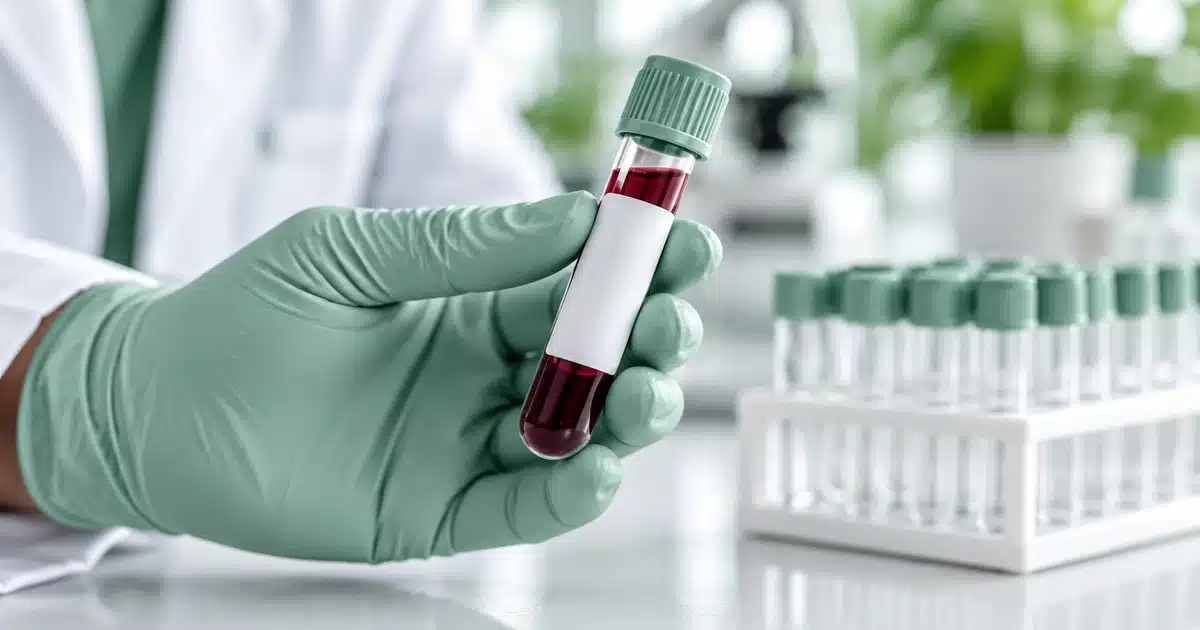
Testosterone is measured with a simple blood test, ideally drawn early in the morning when levels peak. Doctors diagnose low testosterone only when you have symptoms and at least two separate morning tests come back low, usually below 300 ng/dL.
The Merck Manual defines low testosterone as two early-morning total testosterone levels both under 300 ng/dL, along with symptoms. It also notes that treating men in the low-normal range of 300 to 400 ng/dL is controversial among experts.
What’s the Difference Between Total and Free Testosterone?
Most labs start with total testosterone, which counts everything in your blood, bound and unbound. According to the Cleveland Clinic Journal of Medicine, total testosterone is the right test in most primary care situations, while free testosterone is more accurate in some cases.
That matters because SHBG levels shift with obesity, diabetes, aging, and thyroid problems. A man with unusual SHBG can have a low total number but normal free testosterone, and no real deficiency. Your doctor may also check luteinizing hormone (LH) and follicle-stimulating hormone (FSH) to see whether the problem starts in the testicles or the pituitary, as Cleveland Clinic describes. High LH and FSH usually point to the testicles (primary hypogonadism), while low or normal levels point to the pituitary or brain (secondary hypogonadism).
For a plain-language overview of the blood test itself, see MedlinePlus from the U.S. National Library of Medicine.
How Can You Get an Accurate Testosterone Result?
Test in the morning, before eating. The Endocrine Society recommends confirming results with morning fasting tests, since levels are highest early in the day and eating can lower them.
Expect a repeat test. One low number isn’t a diagnosis, since levels vary from day to day.
Mention biotin. Men’s Health Australia notes that vitamins containing biotin can throw off results. Tell your doctor about every supplement you take.
Test for a reason. Mayo Clinic says routine screening probably isn’t needed for every man. Testing makes the most sense when you have symptoms.
What Should You Ask Your Doctor?
How to Support Healthy Testosterone Naturally
The most effective natural ways to support testosterone are losing excess weight, exercising regularly, getting good sleep (including treatment for sleep apnea), drinking less alcohol, and reviewing your medications with a doctor. None of these will push normal levels sky-high, but they can help bring low-normal levels back up.
Does Losing Body Fat Raise Testosterone?
Weight is the biggest lever most men have. A Cleveland Clinic urologist explains that fat tissue contains aromatase, the enzyme that turns testosterone into estrogen. Losing fat means less testosterone gets converted, so levels rise. Research backs this up: a 2016 trial in BMC Medicine notes that testosterone rises in proportion to the amount of weight a man loses.
Does Exercise Help Testosterone?
The same Cleveland Clinic urologist says weight loss and vigorous exercise both have a significant effect on testosterone levels. A mix of strength training and cardio also builds the muscle and burns the fat that testosterone helps regulate.
How Does Sleep Affect Testosterone?
Obstructive sleep apnea is another cause Mayo Clinic lists. If you snore loudly or wake up exhausted, ask your doctor about a sleep study.
Do Alcohol and Stress Lower Testosterone?
Mayo Clinic lists excessive alcohol use among the factors that can lower testosterone, and chronic stress plays a role too.
Can Medications Lower Testosterone?
Some prescriptions can lower testosterone, with long-term opioid pain relievers the best-known example. Mayo Clinic advises having your doctor review your current medications, since a change may make a difference.
Never stop a prescribed medicine on your own.
For a deeper, step-by-step plan, see our guide on how to increase testosterone naturally.
Moderate Evidence Weight loss has the strongest support, including randomized trial data. Evidence for sleep comes from a small controlled study, and the links with alcohol and stress come mainly from observational research and expert guidance.
Testosterone Therapy (TRT): Who It’s For and What the Research Shows
Testosterone replacement therapy (TRT) is a prescription treatment for men with symptoms of low testosterone and blood tests that confirm it. In that group, it modestly improves sex drive, erections, mood, bone density, and anemia. It’s not meant for men with normal levels, and it comes with real trade-offs, including reduced fertility.
TRT comes in several forms, including injections, gels, skin patches, and implantable pellets, according to Cleveland Clinic. The goal is to bring levels back into a normal range, not above it.
What Can TRT Do?
The NIH-funded TTrials are the best evidence for older men whose testosterone is low mainly because of age. According to the investigators’ summary in Endocrine Reviews, a year of testosterone gel:
What Improved
- Sexual activity, sexual desire, and erectile function
- Mood and depressive symptoms (slightly)
- Hemoglobin, correcting mild to moderate anemia
- Bone density and estimated bone strength
- Walking distance (by a small amount)
What Didn’t Improve
- Energy
- Memory
Strong Evidence These are results from coordinated, placebo-controlled randomized trials.
Is TRT Safe for Your Heart?
For years, doctors worried that TRT might raise heart attack and stroke risk. The large TRAVERSE trial, published in The New England Journal of Medicine in 2023, followed 5,246 men aged 45 to 80 with low testosterone and existing heart disease or high heart risk.
Major cardiovascular events occurred in 7.0% of men on testosterone gel and 7.3% on placebo, so TRT didn’t raise overall heart risk.
Those results changed the official labels. On February 28, 2025, the FDA removed language about increased cardiovascular risk from the boxed warning on all testosterone products and added a warning that testosterone can raise blood pressure. In June 2026, HHS asked manufacturers to update the labels again, including dropping the statement that safety in age-related low testosterone hasn’t been established, according to Urology Times. At the time of this update, those June 2026 changes were requests, not final label revisions.
The trial did find some concerns. According to the American College of Cardiology, pulmonary embolism, acute kidney injury, and atrial fibrillation were more common in the testosterone group. A follow-up analysis also found more fractures in men on testosterone, as covered in the bone density section.
- Fertility: TRT can stop sperm production, as explained in testosterone and fertility.
- Thicker blood: Testosterone raises red blood cell counts, which is one reason regular blood tests are part of treatment (see below).
- Only for confirmed low T: The ACC review stresses that TRAVERSE says nothing about the safety of using testosterone to build muscle or for other reasons in men with normal levels.
Does TRT Affect the Prostate, and How Is It Monitored?
Monitoring is still part of safe treatment. The Endocrine Society advises doctors to discuss prostate monitoring before starting TRT with men ages 55 to 69, or 40 to 69 for men at higher risk, such as Black men or those with a family history of prostate cancer. It recommends a urology referral if PSA rises by more than 1.4 ng/mL in the first year or goes above 4.0 ng/mL.
Doctors also track hematocrit, the share of your blood made up of red cells, at baseline, at 3 to 6 months, and then yearly. The Endocrine Society treats a hematocrit above 54% as erythrocytosis, a known risk of testosterone therapy that usually calls for a dose change or a pause.
Strong for heart safety and prostate safety in screened men with confirmed low testosterone. Moderate for the other risk signals, which need more study.
Never use testosterone, steroids, or “research” hormone products without a confirmed diagnosis and a doctor’s supervision. If you’re on TRT, keep up with the follow-up blood tests your doctor orders. Seek care right away for chest pain, shortness of breath, sudden leg swelling, or a racing or irregular heartbeat, and call 911 for chest pain or trouble breathing.
Do Testosterone Boosters and At-Home Tests Work?
Most over-the-counter testosterone boosters don’t have good evidence behind them, and they can’t replace a diagnosis. An at-home testosterone test is a more useful first step, as long as it uses a certified lab and you review the results with a doctor.
What Does the Research Say About “T-Boosters”?
Zinc is one ingredient with a real, though narrow, case. A study in the journal Nutrition linked moderate to severe zinc deficiency with low testosterone, and older men with mild zinc deficiency saw their levels rise after six months of supplements. That helps only if you’re actually low in zinc, which a doctor can check.
For a closer look at popular booster ingredients, see our guide on do testosterone boosters work.
Preliminary Evidence Most booster ingredients lack human evidence. Zinc may help only in men who are deficient.
How Do You Choose an At-Home Testosterone Test?
An at-home test can be a convenient way to get a baseline number before talking with your doctor. Here’s what to look for.
| Check | What good looks like | Red flag |
|---|---|---|
| Lab quality | Samples processed in a CLIA-certified lab | No lab named, or no certification listed |
| What it measures | Total testosterone, ideally with free testosterone or SHBG | Saliva-only “hormone scores” with no clear units |
| Collection | Clear instructions to collect in the morning | No guidance on timing |
| Results support | Results reviewed by a licensed clinician, easy to share with your doctor | Results bundled with a push to buy supplements or start treatment |
| Pricing | One clear upfront price | Hidden subscriptions or add-on fees |
Whatever your result, a single at-home number isn’t a diagnosis. Share it with your doctor, who will likely confirm it with a repeat morning blood test.
The Bottom Line
So, what does testosterone do for men? It builds the male body during puberty, then spends adulthood maintaining sex drive, sperm production, muscle, bone, and red blood cells, with smaller effects on mood. Healthy levels matter, but more isn’t better, and the effects of treatment are real but modest.
Key Takeaways
- Testosterone is made mainly in the testicles and controlled by a feedback loop with your brain.
- Its clearest jobs are puberty, sex drive, sperm production, muscle, bone density, and red blood cell production.
- Some of its effects, especially on bone and the brain, work through estradiol, which your body makes from testosterone.
- Levels fall about 1% to 2% a year starting around age 30. That’s normal aging, not automatically a disease.
- Low testosterone is diagnosed only with symptoms plus two low morning blood tests, usually below 300 ng/dL.
- Losing excess weight, exercising, sleeping well, and treating sleep apnea can raise low-normal levels naturally.
- TRT helps some men with confirmed low levels and didn’t raise heart attack, stroke, or high-grade prostate cancer risk in large trials, but it can stop sperm production and needs regular PSA and blood count checks.
- Most over-the-counter testosterone boosters lack solid evidence.
If you have symptoms like low sex drive, erection problems, fatigue, or muscle loss, don’t guess and don’t reach for a booster. Get your testosterone checked with a proper morning blood test, and look at weight, sleep, alcohol, and medications first. If your levels are confirmed low, testosterone therapy is worth discussing with your doctor, especially if you understand its fertility and safety trade-offs.
Want a baseline before your appointment? Start with our at-home testosterone test checklist so you choose a test with a certified lab and clinician review.
Talk to your doctor first. Before starting any testosterone product or supplement, review your symptoms, medications, and family plans with your doctor or a urologist. Get medical help promptly for breast lumps, testicle changes, chest pain, shortness of breath, or sudden leg swelling.
Frequently Asked Questions
What happens when a man’s testosterone is low?
At what age does testosterone start to decline in men?
What is a normal testosterone level for a man?
Does testosterone make you bigger or build muscle?
Does testosterone increase sex drive?
Does high testosterone make men aggressive?
Can you increase testosterone naturally?
Does testosterone therapy cause prostate cancer?
References
U.S. Food and Drug Administration — FDA issues class-wide labeling changes for testosterone products. February 28, 2025
Cleveland Clinic — Testosterone: what it is, function, levels & imbalances. Updated June 5, 2026 · Accessed October 28, 2026
Endocrine Society — Bhasin S, Brito JP, Cunningham GR, et al. Testosterone therapy in men with hypogonadism: an Endocrine Society clinical practice guideline. Journal of Clinical Endocrinology & Metabolism. 2018;103(5):1715-1744. Published 2018
Journal of Urology (AUA guideline) — Mulhall JP, Trost LW, Brannigan RE, et al. Evaluation and management of testosterone deficiency: AUA guideline. 2018;200(2):423-432. Published 2018 · Validity reconfirmed 2024
Endocrine Reviews — Snyder PJ, Bhasin S, Cunningham GR, et al. Lessons from the Testosterone Trials. 2018;39(3):369-386. Published 2018
MedlinePlus, U.S. National Library of Medicine — Testosterone levels test. Accessed October 28, 2026 (no publish date listed)
Shamim Sarker is the Founder and Lead Health Reviewer at ShamimGuide.com — an independent platform dedicated to evidence-based supplement and health product reviews. With over 8 years of personal research experience in natural health and wellness, he brings a rigorous, science-first approach to every review published on this site.
His areas of focus include men’s health, weight loss, vitamins & supplements, oral health, and skin care. Every product featured on ShamimGuide is evaluated using a strict 4-step research methodology — ingredient analysis, clinical evidence review, user feedback evaluation, and an unbiased final verdict — so readers can make confident, informed decisions without the confusion.
Disclaimer: Content on ShamimGuide is for informational purposes only and does not constitute medical advice. Some articles contain affiliate links — commissions never influence editorial ratings or recommendations.