

Fact Checked
9 min read
What Is Nitric Oxide and Why Does It Matter for Men’s Health? (2026 Guide)
Nitric oxide (NO) is a naturally produced gas molecule that signals your blood vessels to relax and widen. For men, it’s essential for heart health, erectile function, athletic performance, and brain health. NO levels begin declining after age 30 and can drop by up to 85% by age 65 — but diet, exercise, and targeted supplements may help restore them.
- Nitric oxide production declines progressively after age 30, reaching as low as 15–25% of peak levels by the mid-60s — directly affecting cardiovascular and sexual function.
- A 2019 meta-analysis of 10 clinical trials found L-arginine supplementation at 1,500–5,000 mg/day showed meaningful benefit for men with mild to moderate vascular-related erectile dysfunction.
- L-citrulline (3,000–8,000 mg/day) converts to L-arginine in the kidneys with superior bioavailability, making it a more effective NO precursor than arginine taken directly.
- Beetroot-derived dietary nitrates (300–500 mg nitrate equivalent) support NO via the separate nitrate-nitrite pathway and have strong clinical evidence for blood pressure and cardiovascular support.
- Common NO killers include antiseptic mouthwash, proton pump inhibitors (PPIs), a Western diet high in processed foods, smoking, chronic stress, and a sedentary lifestyle.
- Men taking prescription nitrate medications (nitroglycerin, isosorbide) or PDE5 inhibitors (Viagra, Cialis) must consult their doctor before taking any NO supplement — dangerous blood pressure drops are possible.
You might have noticed more buzz lately around nitric oxide — in pre-workout supplements, men’s health clinics, and cardiovascular research. The hype isn’t unfounded. In 1998, three American scientists won the Nobel Prize in Medicine for discovering the role nitric oxide plays in the cardiovascular system. That’s how significant this molecule is.
But here’s the thing: most men have no idea their nitric oxide levels are quietly declining — and that decline may be behind some of the most frustrating health issues they face every day. Low energy. Sluggish workouts. Blood pressure creeping upward. Performance problems in the bedroom.
This guide breaks down exactly what nitric oxide is, why it matters for men specifically, and what you can realistically do to protect and restore your levels — naturally and through supplementation.
What Is Nitric Oxide? (The Simple Explanation)
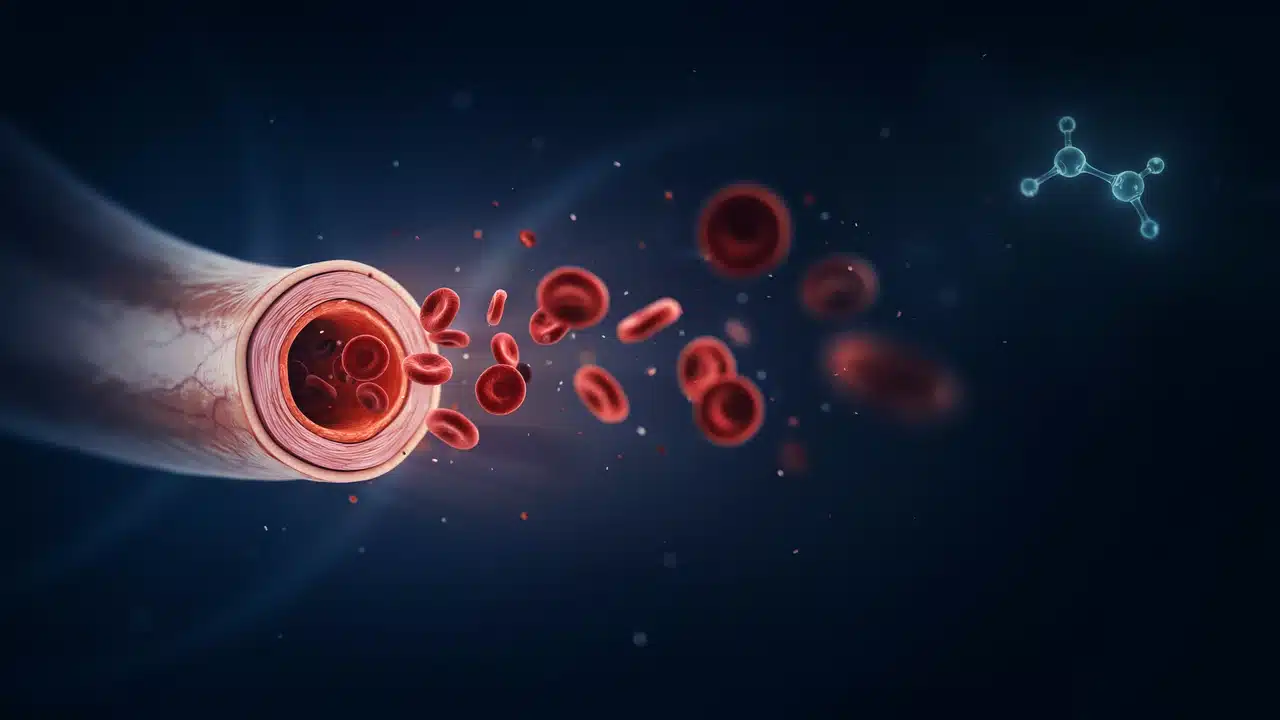
Nitric oxide (NO) is a short-lived gas molecule — made of one nitrogen and one oxygen atom — that your body produces naturally, primarily in the inner lining of your blood vessels, known as the endothelium. It acts as a cellular signaling molecule, sending a message to the smooth muscle walls of your blood vessels: relax and open up.
The result is vasodilation — wider, more flexible blood vessels that allow blood to flow more freely throughout your entire body. That one action has a ripple effect on nearly every system you depend on. Your heart works with less strain. Your muscles get more oxygen. Your brain gets more nutrients. And yes — blood gets where it needs to go for sexual function.
How Does Your Body Make Nitric Oxide?
Your body produces nitric oxide through two main pathways. The primary route is the enzymatic pathway, where an enzyme called nitric oxide synthase (NOS) converts the amino acid L-arginine into nitric oxide. The second is the nitrate-nitrite-NO pathway, where dietary nitrates from food — think beets and leafy greens — are converted by bacteria in your mouth and stomach into usable nitric oxide.
Both pathways can be optimized. And both can be disrupted by lifestyle habits you might not expect — more on that below.
Why Nitric Oxide Is Critical for Men’s Health
Nitric oxide directly supports four major systems that determine how well men function as they age. Each one deserves a closer look.
❤️ Heart Health and Blood Pressure
Nitric oxide is your cardiovascular system’s most important ally. By causing vasodilation — the relaxation and widening of arteries — it reduces the mechanical pressure on your heart and arterial walls. Research from the NIH confirms that nitric oxide deficiency is one of the earliest markers in the development of hypertension (high blood pressure) and atherosclerosis, the dangerous buildup of plaque inside artery walls.
When NO levels are adequate, arteries stay flexible and resilient, inflammation is reduced, and the risk of dangerous clotting events decreases. When NO drops, arteries stiffen — and arterial stiffness is a major driver of heart disease, the leading cause of death in American men.
💪 Erectile Function and Sexual Performance
Achieving an erection requires a specific chain of events. When sexual stimulation occurs, nitric oxide is released in the erectile tissue of the penis. This activates an enzyme called guanylyl cyclase, which raises levels of cyclic GMP (cGMP). The cGMP then relaxes smooth muscle tissue in the corpus cavernosum — the spongy chambers in the penis — allowing blood to fill it and create an erection.
Without sufficient nitric oxide, that entire cascade breaks down.
A 2019 meta-analysis of 10 clinical trials published in the Journal of Sexual Medicine found that L-arginine supplementation at doses between 1,500 mg and 5,000 mg showed meaningful benefit for men with mild to moderate erectile dysfunction. For men with vascular-related ED, low nitric oxide is often the most under-addressed root cause.
If you’re experiencing erectile dysfunction, please consult with your doctor to identify the underlying cause before starting any supplement regimen. ED can be an early warning sign of cardiovascular disease.
🏋️ Athletic Performance and Muscle Recovery
Your muscles need two things to perform: oxygen and nutrients. Both are delivered by blood. Nitric oxide’s vasodilating effect makes blood flow faster and more efficiently to working muscles — meaning more oxygen arrives, more metabolic waste (like lactic acid) gets cleared out, and recovery happens faster.
A peer-reviewed study published in Nutrients (2022) found that L-citrulline improved blood flow to active muscles and reduced post-workout soreness when taken before exercise. Research on beetroot-derived nitrates has similarly shown improvements in exercise endurance in trained athletes.
🧠 Brain Function and Cognitive Health
This is the benefit most health articles skip entirely — and it may be one of the most important for men over 40. Nitric oxide plays a measurable role in cerebral blood flow regulation, helping deliver oxygen and glucose to the brain. Emerging research suggests that declining NO levels in aging men may contribute to reduced cognitive performance, slower reaction times, and an elevated risk for neurodegenerative conditions.
What protects your cardiovascular system protects your brain. Maintaining your nitric oxide levels isn’t just about the gym or the bedroom — it’s about staying mentally sharp for the long haul.
The Age Problem — How Nitric Oxide Declines in Men
Here’s the uncomfortable truth: nitric oxide production starts dropping in your 30s, and it doesn’t stop. By age 65, many men have lost up to 85% of their peak nitric oxide production — and that decline translates directly into real, measurable health consequences.
| Age Range | Estimated NO Production | Common Functional Impact |
|---|---|---|
| 20s | ~100% (Peak) | Optimal cardiovascular and sexual function |
| 30s | ~80% | Subtle energy dips; slight recovery slowdown |
| 40s | ~60% | Noticeable blood pressure rise; workout performance drops |
| 50s | ~40% | Significant cardiovascular risk; ED becomes more common |
| 60s+ | ~15–25% | Severe deficiency range; high risk across multiple conditions |
What accelerates this decline? Several factors that are unfortunately very common in American men’s daily lives:
- Western diet — high sugar intake glycates (damages) the nitric oxide synthase enzyme, effectively shutting down NO production at the cellular level
- Sedentary lifestyle — physical movement is one of the primary triggers for endothelial NO release; sitting all day suppresses it
- Smoking — nicotine and the resulting oxidative stress rapidly destroy NO bioavailability
- Chronic stress — elevated cortisol suppresses endothelial function over time
- Certain medications — proton pump inhibitors (Prilosec, Nexium) and chronic NSAID use may suppress NO production
- Antiseptic mouthwash — kills the oral bacteria responsible for the dietary nitrate-to-NO conversion pathway
Signs You May Have Low Nitric Oxide Levels
Low nitric oxide doesn’t announce itself with a clear diagnosis. It sneaks up through symptoms that are easy to write off as “just getting older.” Here are the most common warning signs:
Common Signs of Low Nitric Oxide in Men
- Persistent Fatigue — Exhaustion that doesn’t resolve with adequate sleep may signal poor oxygen delivery throughout the body
- High Blood Pressure — Stiffened arteries from low NO force your heart to pump harder, raising blood pressure readings over time
- Erectile Dysfunction — Difficulty achieving or maintaining erections in otherwise healthy men is often rooted in vascular NO deficiency
- Poor Exercise Endurance — Workouts feel harder than they used to; recovery takes longer as muscles aren’t getting the oxygen they need
- Cold Hands & Feet — Poor peripheral circulation is a classic sign of reduced NO-driven vasodilation in the extremities
- Brain Fog — Difficulty concentrating, mental sluggishness, or memory lapses may reflect reduced cerebral blood flow
Experiencing three or more of these symptoms is a reasonable signal to consult your healthcare provider for a full cardiovascular evaluation. These symptoms can have multiple causes — self-diagnosis alone is not enough.
Who Should Take Action — And Who Needs a Doctor First
Nitric oxide support isn’t for every man in the same way. Here’s a quick breakdown to help you identify where you stand before making any changes.
Good Fit
You’re a man over 30 noticing declining energy, workout performance, or sexual function — or you’re interested in evidence-based natural cardiovascular support
Doctor First
Take prescription nitrate medications, currently use PDE5 inhibitors (Viagra, Cialis), have severe kidney disease, had a recent heart attack, or have uncontrolled hypertension
How to Boost Nitric Oxide Naturally
The good news: you have real, accessible options for restoring nitric oxide levels — starting with what’s on your plate.
🥗 Nitrate-Rich Foods That Support NO Production
| Food | Active Compound | How It Helps NO |
|---|---|---|
| 🫐 Beets & Beet Juice | Dietary nitrates | Among the richest sources; consistently raises plasma NO markers in studies |
| 🥬 Leafy Greens | Dietary nitrates | Spinach, arugula, kale, and Swiss chard are excellent nitrate sources |
| 🍉 Watermelon | L-Citrulline | The kidneys convert citrulline to L-arginine, the direct NO precursor |
| 🍎 Pomegranate | Antioxidants (polyphenols) | Protects existing NO from oxidative degradation |
| 🧄 Garlic | Allicin | Shown to stimulate nitric oxide synthase (NOS) activity |
| 🍫 Dark Chocolate | Cacao flavonoids | Increases nitric oxide bioavailability — a legitimate health excuse |
🏃 Exercise and Lifestyle Habits
Physical movement — especially aerobic exercise — is one of the most powerful stimulants of endothelial NO production. When blood moves through your vessels faster during exercise, the mechanical shear stress on artery walls signals the endothelium to release more NO. Aim for at least 30 minutes of moderate aerobic activity most days of the week.
🚫 Avoiding the Hidden NO Killers
Antiseptic mouthwash (like Listerine) kills the oral bacteria your body needs to convert dietary nitrates into usable nitric oxide. Research has linked daily antiseptic mouthwash use with elevated blood pressure. Consider switching to a microbiome-friendly rinse or plain water.
- Proton pump inhibitors (PPIs) — long-term use of antacids like omeprazole and pantoprazole has been associated with reduced NO production and increased cardiovascular risk. If you’re on these chronically, discuss alternatives with your doctor.
- Processed foods and seed oils — these disrupt endothelial signaling and promote the oxidative stress that degrades NO before it can do its job.
- Smoking — nicotine rapidly destroys NO bioavailability through oxidative damage to the endothelium.
Nitric Oxide Supplements — Do They Actually Work?
The short answer: it depends on the supplement type, the dose, and whether you’re pairing it with healthy lifestyle habits. One important clarification first: nitric oxide supplements don’t actually contain nitric oxide. The molecule is too unstable to bottle. Instead, they contain precursors — compounds your body uses to produce NO.
| Supplement Type | Key Mechanism | Best For | Typical Dose | Evidence |
|---|---|---|---|---|
| L-Arginine | Direct NO precursor via NOS enzyme | ED support, blood pressure | 3,000–6,000 mg/day | Moderate |
| L-Citrulline | Converts to L-arginine in kidneys; superior bioavailability | Exercise performance, ED | 3,000–8,000 mg/day | Strong |
| Citrulline Malate | L-Citrulline + malate for added endurance effect | Pre-workout, muscle recovery | 6,000–8,000 mg pre-workout | Moderate |
| Beetroot / Dietary Nitrates | Nitrate → Nitrite → NO via oral bacteria pathway | Blood pressure, cardiovascular | 300–500 mg nitrate equivalent | Strong |
| Combined Formulas | Hits both enzymatic + dietary pathways simultaneously | Comprehensive NO support | Per product label | Moderate |
Why L-Citrulline Outperforms L-Arginine
When you take L-arginine orally, a significant portion is broken down in the gut and liver before it ever reaches the bloodstream — a process called “first-pass metabolism.” L-citrulline bypasses this by traveling to the kidneys, where it’s converted to L-arginine directly in the blood. The result: higher, more sustained arginine levels and more NO production. For most men, citrulline is the smarter choice.
What Should You Look for When Buying an NO Supplement?
Ready to find the right NO supplement? We’ve evaluated the most popular nitric oxide supplements on the market for ingredient quality, dosing accuracy, third-party testing, and value for US buyers. See our top picks for 2026 →
Side Effects and Safety Considerations
Nitric oxide-boosting supplements are generally well-tolerated by healthy men, but there are important caveats every man should know before starting.
- GI discomfort — high doses of L-arginine (over 9g/day) may cause nausea, cramping, or diarrhea
- Blood pressure drops — if you already have low blood pressure, enhanced vasodilation can cause lightheadedness or dizziness
- Headaches — increased blood vessel dilation can occasionally trigger tension headaches early in supplementation
Do NOT combine nitric oxide supplements with prescription nitrate medications (nitroglycerin, isosorbide). This combination can cause a dangerously severe drop in blood pressure. Men taking PDE5 inhibitors (Viagra, Cialis) should also consult their doctor before adding any NO precursors to their routine.
Who Should Avoid Nitric Oxide Supplements?
Men Who Should Consult Their Doctor First
- Men currently taking prescription nitrate medications — serious blood pressure drop risk
- Men on ED medications (PDE5 inhibitors) — consult your doctor; the combination can amplify hypotensive effects
- Men with severe kidney disease — L-arginine metabolism places demands on kidney function
- Men with recent heart attacks or unstable cardiovascular conditions — medical supervision required
Drug Interactions to Know
| Medication Type | Interaction Risk | Recommendation |
|---|---|---|
| Prescription nitrates (nitroglycerin, isosorbide) | Severe — dangerous BP drop | Do not combine; consult doctor |
| PDE5 inhibitors (Viagra, Cialis) | Significant — amplifies BP-lowering effect | Consult doctor before combining |
| Blood pressure medications | Moderate — additive vasodilatory effect | Monitor blood pressure closely |
| Anticoagulants / blood thinners | Low-moderate — mild antiplatelet activity | Discuss with your prescribing physician |
Always consult your healthcare provider before starting any new supplement — especially if you have existing cardiovascular conditions, take prescription medications, or are managing a chronic health condition.
Key Takeaways
- Nitric oxide is a signaling molecule produced in your blood vessel walls that keeps circulation, heart health, sexual function, and brain health running smoothly.
- Production begins declining in your 30s and can drop by up to 85% by age 65 — but this is addressable.
- Diet (beets, leafy greens, watermelon), exercise, and avoiding NO killers (mouthwash, PPIs, processed food) are your strongest natural tools.
- L-citrulline and beetroot-derived nitrates are the most evidence-supported supplement forms for most men.
- Men on blood pressure meds or ED medications must consult their doctor before supplementing.
If there’s one molecule that ties together your heart health, sexual function, athletic performance, and cognitive sharpness, it’s nitric oxide. The decline is gradual and largely invisible — until it isn’t. The encouraging part is that this is one of the most actionable areas of men’s health. Start with diet. Layer in exercise. Eliminate the hidden killers. And if you’re not getting the results you need, a well-formulated NO supplement — one that combines L-citrulline with beetroot nitrates — may provide meaningful support for men at any age.
Frequently Asked Questions About Nitric Oxide and Men’s Health
What does nitric oxide actually do for men?
How do I know if my nitric oxide levels are low?
Can I boost nitric oxide without supplements?
Is L-citrulline better than L-arginine for nitric oxide?
How long does it take for nitric oxide supplements to work?
Does nitric oxide help with erectile dysfunction?
Are nitric oxide supplements safe to take every day?
What foods kill nitric oxide?
- NIH / National Library of Medicine — Nitric Oxide and Cardiovascular Function (ncbi.nlm.nih.gov/pmc/articles/PMC2779590/)
- PubMed — L-Arginine and Erectile Dysfunction: A Meta-Analysis of 10 Clinical Trials, Journal of Sexual Medicine (2019) — pubmed.ncbi.nlm.nih.gov/29771452/
- Nutrients (2022) — L-Citrulline Supplementation and Exercise Performance — mdpi.com/2072-6643/14/9/1768
Shamim Sarker is the Founder and Lead Health Reviewer at ShamimGuide.com — an independent platform dedicated to evidence-based supplement and health product reviews. With over 8 years of personal research experience in natural health and wellness, he brings a rigorous, science-first approach to every review published on this site.
His areas of focus include men’s health, weight loss, vitamins & supplements, oral health, and skin care. Every product featured on ShamimGuide is evaluated using a strict 4-step research methodology — ingredient analysis, clinical evidence review, user feedback evaluation, and an unbiased final verdict — so readers can make confident, informed decisions without the confusion.
Disclaimer: Content on ShamimGuide is for informational purposes only and does not constitute medical advice. Some articles contain affiliate links — commissions never influence editorial ratings or recommendations.