
This article is for informational purposes only and does not constitute medical advice. Always consult a qualified healthcare professional before making any health decisions or starting any supplement.
This post contains affiliate links. We may earn a commission at no extra cost to you. Commissions never influence our content or recommendations.
Ultimate Guide
Women’s Health

PMS symptoms — cramps, bloating, mood swings, and fatigue — affect up to 90% of menstruating women in the one to two weeks before their period. Natural strategies like magnesium, vitamin B6, regular exercise, and stress management may meaningfully reduce symptom severity for many people, though full effects typically build over two to three cycles. Talk to your doctor if symptoms consistently disrupt daily life.
- Research suggests 75–90% of menstruating women experience at least some premenstrual symptoms
- Roughly 25% of women report symptoms severe enough to interfere with work or relationships
- Magnesium (particularly the glycinate form) has some of the strongest evidence for easing cramps, bloating, and sleep issues
- Vitamin B6 is linked in multiple trials to measurably better mood stability during the luteal phase
- PMDD, a more severe clinical form of premenstrual symptoms, affects an estimated 3–8% of women
- Natural remedies typically require two to three full cycles of consistent use before their full effect becomes noticeable
of women experience some PMS symptoms
experience symptoms severe enough to disrupt daily life
of women experience PMDD, the more severe form
If you’ve ever felt like a completely different person the week before your period — snapping at people you love, crying at a commercial, or curling up around a heating pad because your abdomen won’t stop cramping — you’re not imagining it, and you’re definitely not alone.
Premenstrual syndrome, or PMS, touches the majority of women who menstruate at some point in their reproductive years. For a meaningful share of them, it’s not just an inconvenience — it’s a monthly disruption to work, relationships, and basic quality of life.
The good news is that you have more control over this than it might feel like in the moment. A growing body of research points to specific, natural, non-drug strategies that can genuinely ease PMS symptoms — not by masking them, but by addressing some of the underlying hormonal and nutritional patterns that drive them.
This guide walks through what PMS actually is, why it happens, how to tell it apart from the more severe condition PMDD, and exactly which natural remedies have real evidence behind them — matched to the specific symptoms you’re dealing with.
What Is PMS?
Premenstrual syndrome (PMS) is a cluster of physical and emotional symptoms that shows up in the one to two weeks before menstruation, during what’s known as the luteal phase of the menstrual cycle, and typically resolves within a few days of your period starting.
It’s caused primarily by the natural rise and fall of estrogen and progesterone that happens every cycle, and it’s remarkably common — research suggests somewhere between 75% and 90% of women experience at least some premenstrual symptoms, ranging from mild and barely noticeable to severe enough to interfere with daily functioning.
Common PMS Symptoms
PMS symptoms generally fall into two buckets: physical and emotional. Most people experience a mix of both, and the specific combination can vary from cycle to cycle.
Physical Symptoms Often Include
- Abdominal cramping and lower back pain
- Bloating and water retention
- Breast tenderness or swelling
- Headaches or migraines
- Fatigue and low energy
- Food cravings, especially for salty or sweet foods
- Acne flare-ups
- Sleep disturbances
Emotional and Cognitive Symptoms Often Include
- Mood swings and sudden irritability
- Anxiety or heightened tension
- Low mood or tearfulness
- Difficulty concentrating (“brain fog”)
- Reduced motivation or social withdrawal
For most women, these symptoms are mild-to-moderate and manageable. Research indicates roughly a quarter of women experience symptoms severe enough to interfere with work, relationships, or day-to-day functioning — and that’s the group for whom a structured, evidence-based relief strategy matters most.
What Causes PMS?
There’s no single confirmed cause of PMS, but decades of research point to a combination of contributing factors working together.
Hormonal fluctuations. After ovulation, estrogen and progesterone levels shift substantially, and this swing appears to be the primary trigger for most PMS symptoms. You’re not imagining that certain weeks feel different — your hormone levels genuinely are different.
Neurotransmitter sensitivity. Estrogen and progesterone interact directly with serotonin, the brain chemical most closely tied to mood regulation. When hormone levels shift, serotonin activity can shift with them, which helps explain why PMS so often shows up as irritability, sadness, or anxiety rather than purely physical discomfort.
Nutrient status. Lower levels of magnesium, calcium, vitamin B6, and vitamin D have been linked in multiple studies to more severe PMS symptoms, which is part of why nutrition-based interventions have a genuine evidence base rather than being purely anecdotal.
Stress and lifestyle factors. Chronic stress doesn’t cause PMS on its own, but it consistently makes existing symptoms feel more intense and harder to manage. Sleep quality, physical activity levels, and overall diet all interact with your hormonal cycle in ways that can either dampen or amplify symptoms.
Genetics. If PMS runs in your family, your own risk is somewhat elevated — researchers believe there’s a genetic component that affects how sensitively your body responds to normal hormonal shifts.
PMS vs. PMDD — Know the Difference
Premenstrual dysphoric disorder (PMDD) is a more severe, clinically recognized form of premenstrual symptoms that affects a smaller percentage of women — commonly cited estimates fall around 3–8%. While PMS and PMDD share the same general timing and many of the same symptom categories, the intensity is where they diverge sharply.
| PMS | PMDD | |
|---|---|---|
| Severity | Mild to moderate; uncomfortable but manageable | Severe; often debilitating |
| Daily function | Rarely stops normal activities | Frequently disrupts work, school, relationships |
| Emotional symptoms | Irritability, mild low mood | Severe depression, panic-level anxiety, hopelessness |
| Typical management | Lifestyle and natural remedies | Often requires medical treatment alongside lifestyle changes |
There’s no single lab test that distinguishes PMS from PMDD — diagnosis typically relies on tracking symptoms across two or more cycles and evaluating how much they interfere with your life. If you notice that your premenstrual symptoms consistently include thoughts of hopelessness, intense panic, or an inability to function at work or in relationships, that’s a signal to talk to a healthcare provider rather than relying on natural remedies alone.
If you are ever experiencing thoughts of self-harm, please reach out to a mental health professional or crisis line right away — this is not something natural remedies are equipped to treat.
Natural Relief Strategies, Mapped to Your Symptoms
One of the most useful things you can do is match your relief strategy to the specific symptom bothering you most, rather than trying everything at once. Here’s how the most evidence-supported natural approaches break down.
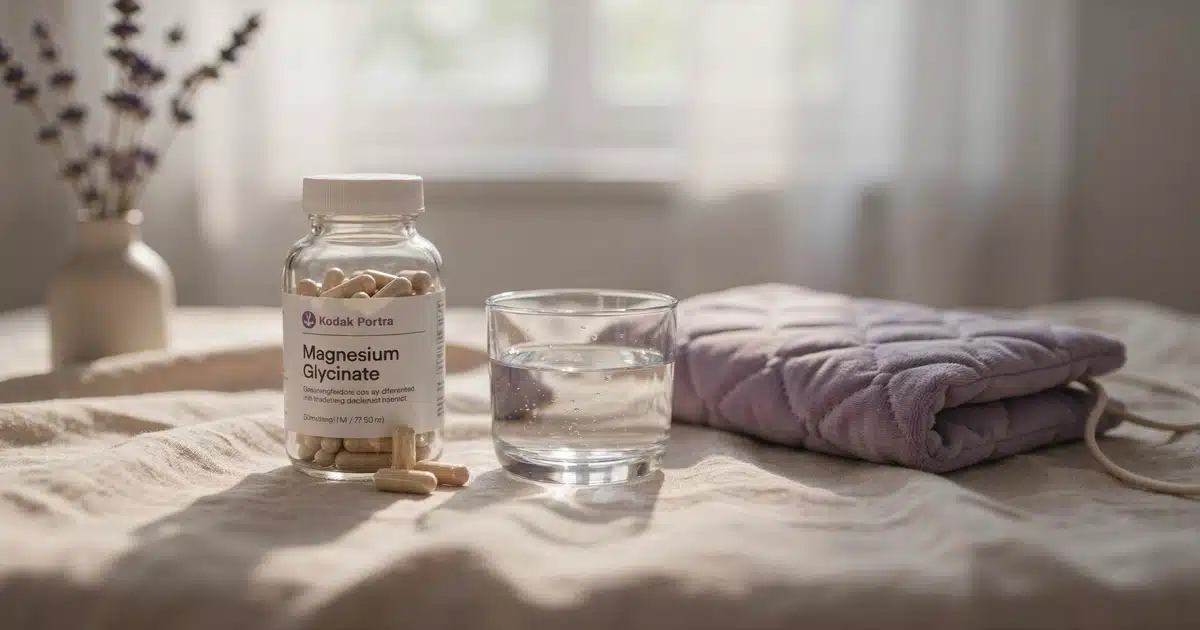
Simple, evidence-backed tools: heat, hydration, magnesium, and movement.
For Cramps and Physical Pain
- Heat therapy. A heating pad or warm bath relaxes uterine muscle and is one of the most consistently effective, zero-risk comfort measures available.
- Magnesium. Studies suggest magnesium supplementation, particularly in the two weeks before your period, can meaningfully reduce cramp intensity by helping regulate muscle contraction and easing prostaglandin-driven inflammation.
- Gentle movement. Light stretching, walking, or restorative yoga increases blood flow to the pelvic area and can ease cramping better than staying sedentary.
For Bloating
- Reduce sodium intake in the days leading up to your period, since excess salt encourages water retention.
- Increase potassium-rich foods like bananas, spinach, and sweet potatoes, which help balance fluid levels.
- Stay hydrated. Counterintuitively, drinking more water — not less — helps your body release retained fluid rather than hold onto it.
Vitamin B6 supports the production of serotonin and dopamine, and several trials link adequate B6 intake to measurably better mood stability in the luteal phase.
For Mood Swings and Irritability
- Vitamin B6 supports the production of serotonin and dopamine, and several trials link adequate B6 intake to measurably better mood stability in the luteal phase.
- Regular aerobic exercise. Even 20–30 minutes of brisk walking releases endorphins that directly counter the irritability and low mood many women experience premenstrually.
- Mindfulness and breathing exercises. Daily meditation, even in short 10-minute sessions, has been shown in clinical research to ease both the emotional and physical symptoms of PMS.
For Fatigue and Low Energy
- Consistent sleep timing, aiming for 7–9 hours, especially in the week before your period when your body’s baseline temperature and hormone shifts naturally disrupt sleep quality.
- Iron-rich foods if you experience heavy periods, since blood loss can compound fatigue.
- Riboflavin (vitamin B2), which plays a direct role in how your body converts food into usable energy.
For Sleep Disruption
- Reduce caffeine and alcohol in the days before your period, both of which are known to worsen sleep quality during the luteal phase.
- Cool, dark sleep environment, since the natural rise in body temperature before menstruation can make it harder to fall and stay asleep.
- Chamomile tea or lavender aromatherapy in the evening, both studied for mild calming and sleep-supportive effects.
What the Research Actually Says
It’s worth being honest about the strength of evidence behind these remedies, because not all “natural PMS relief” advice is created equal.
Natural remedies typically produce meaningful — not total — symptom reduction, and results often take two to three full cycles of consistent use before becoming noticeable. This isn’t a same-day fix; it’s a cumulative strategy.
How to Build a Natural PMS Relief Routine
Rather than trying every remedy at once, timing matters — and pairing this with broader strategies to balance female hormones naturally can make the whole routine more effective. Here’s a practical framework based on where you are in your cycle:
- Days 1–14 (follicular phase, right after your period): This is your lowest-symptom window. Use it to build consistent habits — establish your exercise routine, dial in your sleep schedule, and start any supplement regimen you’re planning to try.
- Ovulation to two weeks before your period (early luteal phase): If you’re using magnesium, calcium, vitamin B6, or chasteberry, this is generally when to start or continue them consistently, since most research protocols dose through this window.
- The week before your period (late luteal phase): Lean into your symptom-specific tools — heat therapy for cramps, potassium-rich foods for bloating, extra sleep protection for fatigue.
- During your period: Symptoms typically ease within the first few days. Continue comfort measures as needed and use this time to log what worked, so next cycle’s routine can be even more targeted.
Track your symptoms for at least two to three cycles using a journal or period-tracking app. This does double duty: it helps you identify which remedies are actually working for you specifically, and it gives you (and your doctor, if needed) real data if symptoms turn out to be more severe than typical PMS.
Supplements and Products Worth Considering
This section may contain affiliate links. See our full disclosure below.
Not every supplement marketed for “PMS relief” is backed by solid research, so it helps to know what to actually look for on a label rather than shopping by marketing claims alone — our women’s health supplements guide covers this in more depth.
| Ingredient | Best For | Evidence | Where to Get It |
|---|---|---|---|
| Magnesium (glycinate form preferred) | Cramps, bloating, sleep | Strong | Check Price → |
| Vitamin B6 | Mood swings, irritability | Moderate-Strong | Check Price → |
| Calcium | Physical + emotional symptoms | Moderate | Check Price → |
| Chasteberry (Vitex) | Breast tenderness, mood, irritability | Moderate | Check Price → |
| Vitamin D | Overall symptom severity | Moderate | Check Price → |
| Omega-3 fatty acids | Cramping, inflammation | Moderate | Check Price → |
If juggling five separate bottles isn’t realistic for your routine, look for a combination formula that pairs several of these evidence-backed ingredients rather than relying on a single one, and check that the product discloses exact dosages rather than hiding behind a proprietary blend. Whatever you choose, run it by your doctor or pharmacist first, especially if you’re on hormonal birth control, antidepressants, or blood thinners.
Side Effects, Interactions, and When to Avoid Self-Treating
Natural doesn’t automatically mean risk-free. A few things worth knowing before you start:
- Magnesium can cause digestive upset or loose stools at higher doses, and should be used cautiously if you have kidney disease.
- Chasteberry may interact with hormonal birth control and dopamine-related medications, and isn’t recommended during pregnancy.
- High-dose vitamin B6 taken long-term has been linked to nerve-related side effects in rare cases, which is why staying within studied dosage ranges matters.
- Calcium supplements can interfere with the absorption of certain medications, including some antibiotics and thyroid medications, if taken too close together.
If you’re pregnant, trying to conceive, managing a chronic health condition, or taking any prescription medication, talk to your doctor before adding any new supplement to your routine — even ones considered generally safe for the average person.
When to See a Doctor
Natural remedies can meaningfully reduce PMS symptoms for many women, but they’re not a substitute for medical care in every situation. Reach out to a healthcare provider if:
- Your symptoms consistently interfere with work, school, or relationships
- You suspect your symptoms may be PMDD rather than typical PMS
- Natural remedies haven’t produced any improvement after 2–3 full cycles
- You experience new, worsening, or unusual symptoms
- You’re considering a supplement that might interact with medications you’re already taking
- You experience thoughts of hopelessness or self-harm at any point in your cycle
A healthcare provider can help rule out other conditions with overlapping symptoms, discuss prescription options if needed, and help you build a plan that combines natural strategies with medical support where appropriate.
Key Takeaways
- PMS affects 75–90% of menstruating women, with about a quarter experiencing symptoms severe enough to disrupt daily life
- Magnesium and vitamin B6 have some of the strongest evidence among natural remedies for cramps, bloating, and mood symptoms
- Matching your relief strategy to your specific symptom — rather than trying everything at once — tends to work best
- Give natural remedies two to three full cycles before judging whether they’re working
- PMDD is a more severe, clinically distinct condition affecting 3–8% of women and often needs medical support
Conclusion
PMS symptoms are common, but “common” doesn’t mean you have to just push through them every month without support. Between magnesium and B6 for mood and cramping, heat and movement for physical discomfort, and consistent sleep and stress management underpinning it all, there’s a genuinely evidence-backed toolkit for natural PMS relief — it just takes a little consistency to see the full benefit, usually across two to three cycles.
Start by tracking your symptoms so you know exactly what you’re working with, layer in the remedies that match your specific symptoms, and don’t hesitate to loop in your doctor if things ever feel more severe than typical PMS. You deserve to feel like yourself all month long, not just three weeks out of four.
Frequently Asked Questions
What helps PMS symptoms fast?
Why do I get so emotional before my period?
How long do PMS symptoms usually last?
Can diet really affect PMS symptoms?
Is it normal to have PMS every single month?
Does exercise make PMS worse or better?
Shamim Sarker is the Founder and Lead Health Reviewer at ShamimGuide.com — an independent platform dedicated to evidence-based supplement and health product reviews. With over 8 years of personal research experience in natural health and wellness, he brings a rigorous, science-first approach to every review published on this site.
His areas of focus include men’s health, weight loss, vitamins & supplements, oral health, and skin care. Every product featured on ShamimGuide is evaluated using a strict 4-step research methodology — ingredient analysis, clinical evidence review, user feedback evaluation, and an unbiased final verdict — so readers can make confident, informed decisions without the confusion.
Disclaimer: Content on ShamimGuide is for informational purposes only and does not constitute medical advice. Some articles contain affiliate links — commissions never influence editorial ratings or recommendations.